


















World Menopause Month, designated in October, was created as a means to raise awareness of this natural stage in a woman’s life. It offers a perfect opportunity to consider how to best support customers who are going through this natural transition. According to the British Menopause Society, menopausal symptoms affect more than 75% of women, ‘whilst not all women going through the menopause will experience menopausal symptoms, the majority will and over 25% describe severe symptoms.
Menopausal symptoms may last for a long time with an average duration of 7 years, with 1 in 3 women experience symptoms beyond the 7 years.’ Menopausal symptoms come about due to the natural decline of oestrogen levels.
When we consider menopausal symptoms, we generally think about hot flushes and night sweats, however, many women also experience other symptoms such as anxiety, low mood and depression, brain fog, poor memory, headaches, palpitations, muscle and joint pains, tiredness, or sleep issues.
1) Why Is Self-Care Important?
Oestrogen is a hormone mainly produced in the ovaries. When levels of oestrogen fall during menopause the adrenal glands become the main source of production. However, if a woman going through the menopause is suffering from too much stress, the adrenals will prioritise the production of stress hormones over and above the production of sex hormones! Essentially reducing production of oestrogen and progesterone.
2) How Can Nutrients Help?
Eating a well-balanced diet can help provide essential nutrients needed for hormonal balance. Foods rich in B vitamins and vitamin C may help nourish the adrenal glands, support resilience, and contribute to the reduction of tiredness and fatigue. For those with stressful or busy lifestyles a high-quality wholefood multivitamin can provide a boost to the modern diet.
3) Can Supplements Help During This Transition Period?
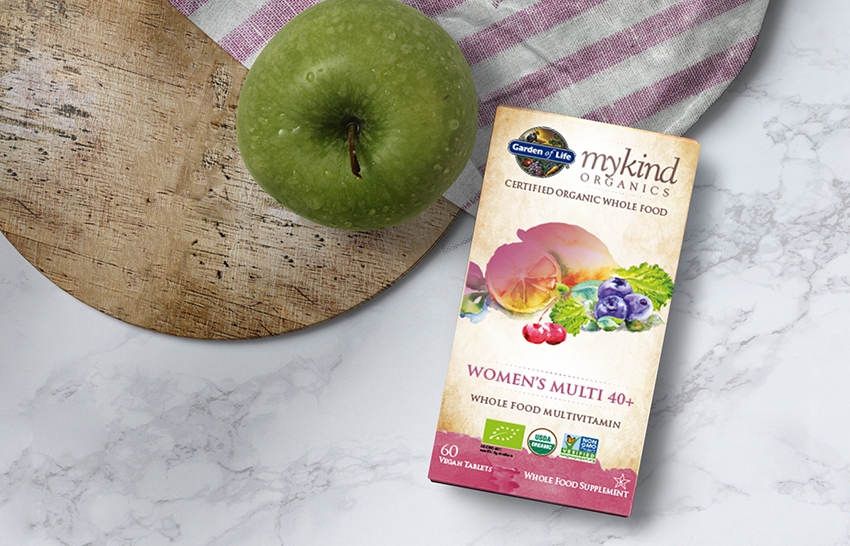
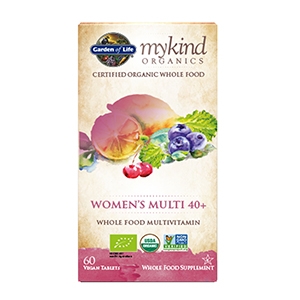 With targeted nutrients for women during peri-menopause and menopause, Garden of Life’s myKind Organic Women’s 40+ Multivitamin has been specifically designed for women seeking an organic wholefood multivitamin to support the demands of a busy lifestyle. A unique multivitamin made from nothing but real, whole foods. The formula also contains a blend of botanicals such as organic black cohosh, organic tomatoes (standardised for lycopene) and organic turmeric (standardised for curcuminoids).
Stress management techniques that support quality sleep and relaxation are very important.
For those experiencing less resilience to stress or mild anxiety consider ‘adaptogenic’ herbs that have been traditionally revered for their stress-protective, balancing and calming properties.
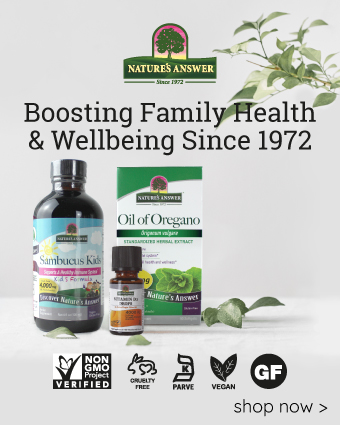
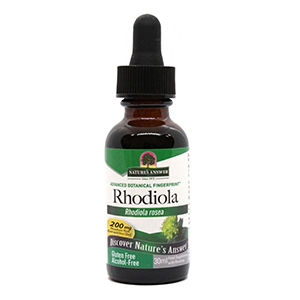
Nature’s Answer offer a range of holistically balanced botanicals including Ashwagandha, Rhodiola Rosea and Reishi. Nature’s Answer concentrated herbal extracts come in an alcohol-free liquid format for fast and efficient absorption. They are natural and devoid from unnecessary ingredients that can impact on hormonal changes.
4) Supportive herbs and foods:
 The mild oestrogenic effect of foods rich in plant phyto-oestrogens and isoflavones may help reduce menopausal symptoms. These foods include minimally processed soya products such as tofu and tempeh, chickpeas, alfalfa and flaxseeds. In addition, Red Clover is a herb that is naturally rich in isoflavones.
- Sage (Salvia officinalis) has a long history of traditional use in helping to alleviate menopausal symptoms including sweating and hot flushes. The traditional use has also been backed up by clinical research in recent years. (1)
- Traditionally used by herbalists to support liver function, recent research suggests Milk Thistle herb could be helpful for menopausal symptoms. In a recent 12 week, randomized, double-blind placebo-controlled trial study, researchers found that this herbal extract significantly reduced the frequency and severity of menopausal hot flushes. (2)
- Sources of Omega 3 & 6 such as oily fish, hemp seed oil and Evening Primrose Oil provide important essential fatty acids. Clinical research suggests evening primrose oil may be of benefit to those experiencing hot flushes, with one study demonstrating a reduction of intensity of attacks. (3)
- Frequently used within Chinese herbal traditions, Dong Quai (Angelica sinensis) is also known as the ‘female ginseng’. This botanical has been traditionally used for centuries to support women’s hormones.
5) What Changes When It Comes to Women’s Bones and Joints?
The menopausal fall in oestrogen levels increases the risk of bone loss and subsequent postmenopausal osteoporosis. Vitamin D assists calcium absorption and Vitamin K2 is a co-factor in calcium utilisation, helping to ensure calcium is deposited in bones. Although Vitamin D can be obtained from exposure to sunlight during the Spring and Summer, food sources are notoriously low! So supplementing with vitamin D3, especially during the Autumn and Winter, will bridge this nutrition gap:
Nature’s Answer Vitamin D3 & K2 liquid drops provide biologically active Vitamin D3 and Vitamin K2, working in synergy to support bone health.
*The claims are based on clinical research, are not aimed to diagnose, treat, cure or prevent any disease. Food supplements should be used within the framework of a healthy lifestyle and not used as substitutes of a varied and balanced diet.
References:
(1) https://pubmed.ncbi.nlm.nih.gov/21630133/
(2) https://doi.org/10.1002/ptr.6789
(3) https://link.springer.com/article/10.1007/s00404-013-2852-6
The British Menopausal society https://thebms.org.uk/