





























By Ella O., Nutrition Advisor
World Heart Day is an awareness day that inspires heart-healthy living! Learn the risk factors and how to support a healthy heart lifestyle. *
The cardiovascular system can become weakened from physiological factors, including high blood pressure and high cholesterol. According to Blood Pressure UK, around one in three adults in the UK has high blood pressure and this accounts for 12% of all GP appointments in England. Stress, obesity, tobacco smoking, sedentary lifestyle, excessive alcohol, air pollution and poor diet are all risk factors. Adopting a holistic view on how we can best support heart health is key. According to the World Heart Federation, controlling lifestyle risk factors such as unhealthy diet and inactivity can prevent at least 80% of premature deaths from heart-related conditions.
Phytonutrients
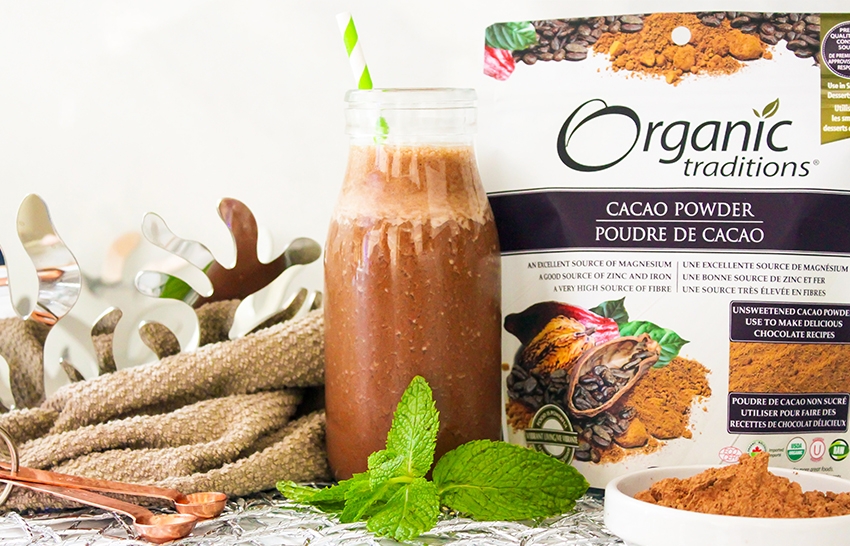
We know that eating too much processed food, refined food, fried food, salt and sugar, can increase our vulnerability to hypertension, atherosclerosis and heart related disorders. The well-researched ‘Mediterranean Diet’ is considered a healthy diet offering cardioprotective benefits. Above all, adopting a balanced and varied diet is key. Research suggests that flavonoids, found in a diet abundant in fruit and vegetables, may have cardiovascular supporting properties. This may be partly due to their antioxidant actions. Food rich in phytonutrients include grapes (resveratrol), tomatoes (lycopene), garlic, olive oil/olive leaf (oleuropein), berries, 100% cocoa (cacao), broccoli, onions, and green tea.
According to a research study at Queen Mary University London funded by the British Heart Foundation, supplementing your nutrition with foods high in nitrates such as beetroot juice, could be a simple and effective way to manage high blood pressure. Eating oats daily may also help maintain normal blood cholesterol levels due to their high beta-glucan content.
Shop it: Nature’s Answer Resveratrol Reserve Complex
Shop it: Nature’s Answer Olive Leaf
Shop it: Organic Traditions Cacao Powder
Shop it: Organic Traditions Premium Matcha Tea
Hawthorn Berry
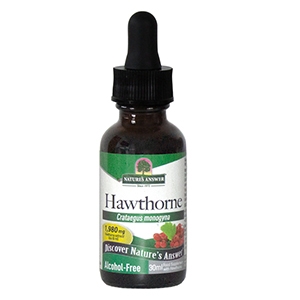 Also known as Crataegus, a term derived from the Greek word “strength” hawthorn has been traditionally used throughout history as a tonic to support a healthy circulation. Nature’s Answer Hawthorn Berry is a concentrated alcohol-free liquid extract delivering 1,980mg per daily dose.
Shop it: Nature’s Answer Hawthorne
Omega 3 Fish Oil
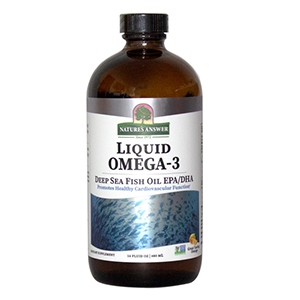 Containing the essential fatty acids EPA and DHA, Omega 3 fish oils are known to contribute to the maintenance of normal blood pressure and normal cardiac function. For those not keen on regular meals of oily seafood such as sardines and mackerel, a pure supplement of quality omega 3 fish oil is ideal. Nature’s Answer Liquid Omega-3 is obtained from sustainably caught fish from the clear waters of the Atlantic Ocean, with great-tasting orange oil and Quik-sorb plant extracts (ginger rhizome, amla fruit, capsicum fruit) for fast and efficient absorption. Providing an impressive 96 servings per bottle! (3 months’ supply).
Shop it: Nature’s Answer Omega 3 Fish Oil
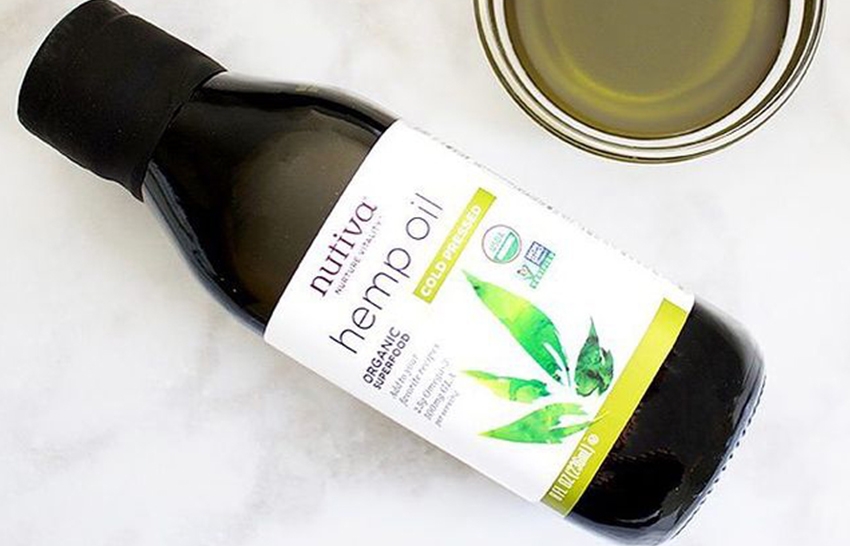
In addition, consuming the ‘good’ oils such as olive oil and Organic Hemp Oil (supplying omega 3 fatty acids as alpha-linolenic acid) may contribute to the maintenance of normal blood cholesterol levels.
Shop it: Nutiva Organic Hemp Oil
Nigella seeds, commonly known as black seeds, have been traditionally used for over two thousand years by various cultures around the world. Research studies have looked into the active compounds in Black Seed Oil, suggesting these may offer support to several areas of health. Nature’s Answer offers the only deep-Sea Omega-3 Fish Oil & Black Seed Oil (3% Thymoquinone) in a synergistic combination.
Shop it: Nature’s Answer Omega 3 Fish Oil & Black Seed Oil
Unfortunately, healthy habits tend to go out of the window when we are dealing with life stressors.
 Be kind to your heart with our stress-management tips, click here
*If you are taking medication or under medical supervision, please consult your healthcare practitioner before taking any food supplement or herb, as these may be contraindicated. The claims are based on clinical research, are not aimed to diagnose, treat, cure or prevent any disease. Food supplements should be used within the framework of a healthy lifestyle and not used as substitutes of a varied and balanced diet.
References:
Mulvihill EE, Huff MW. Antiatherogenic properties of flavonoids: implications for cardiovascular health. Can J Cardiol. 2010 Mar;26 Suppl A:17A-21A. doi: 10.1016/s0828-282x(10)71056-4. PMID: 20386755.