





























Premenstrual syndrome (PMS) is a condition characterized by physical, psychological and behavioural symptoms that can occur due to normal hormonal fluctuations during the luteal phase of the menstrual cycle (between ovulation and the menstrual period).
Symptoms can include:
- Depressed mood, tearful, anxiety, tension, anger, irritability, feeling upset or overwhelmed, mood swings
- Low in confidence
- Concentration and memory problems
- Lack of energy, insomnia and drowsiness
- Changes in appetite or specific food cravings
- Bloating or stomach problems
- Breast tenderness
- Back pain and headaches
- Acne or other skin problems
It is estimated that up to 90% of menstruating women experience at least one PMS symptom with up to 30% suffering from severe symptoms that interfere with daily activities.1
What is Premenstrual Dysphoric Disorder (PMDD)?
If psychological premenstrual symptoms are severe enough to cause distress and interfere with daily activity and function, they may well fit the criteria of premenstrual dysphoric disorder (PMDD). PMDD is an endocrine-related mood disorder with symptoms that only occur 1 to 2 weeks before the menstrual period starts. Symptoms may include severe mood swings, anxiety, depression, anger and irritability. The hormonal impact on mental health can be so bad that some women experience suicidal feelings during this luteal phase. It is believed that PMDD symptoms are due to a heightened brain reaction to the normal hormonal changes triggered when ovulation occurs. Unfortunately, it has been estimated that PMDD affects up to 10% of menstruating women. 1
Happy Liver- Happy Hormones?
Poor excretion of oestrogen from the body via the liver, may promote oestrogen dominance, contributing to the worsening of premenstrual symptoms.
A diet that supports liver function may be helpful with antioxidant-rich foods such as brightly coloured fruit and vegetables protecting against free radical stress and inflammation.
Specific liver detoxification pathways may be supported by eating broccoli/ broccoli sprouts and other cruciferous vegetables. Dietary fibre, prebiotic and probiotic foods support elimination and also promote a healthy gut microbiome which will have a positively beneficial impact on the gut-brain (hormones and neurotransmitters) axis. A liquid extract of Milk Thistle, used in herbal traditions to gently support liver function, could be a useful addition.
Is the Western Diet part of the Issue?
Researchers have linked the consumption of excess sugar, fried foods, coffee and alcohol to the development of PMS symptoms. It has been shown that healthy and traditional nutritional habits correlate to a less likelihood of symptoms.2
Food cravings for confectionary/refined carbs is common during the premenstrual phase, however, balancing blood sugar levels by limiting high glycaemic foods such as refined sugars and fruit juice, while consuming nutrient-dense satiating meals and snacks containing complex carbohydrates, dietary fibre, protein and healthy fats, can go a long way to prevent spikes and dips in energy levels and to balance mood swings.
Which Micro-Nutrients are Relevant?
v Magnesium
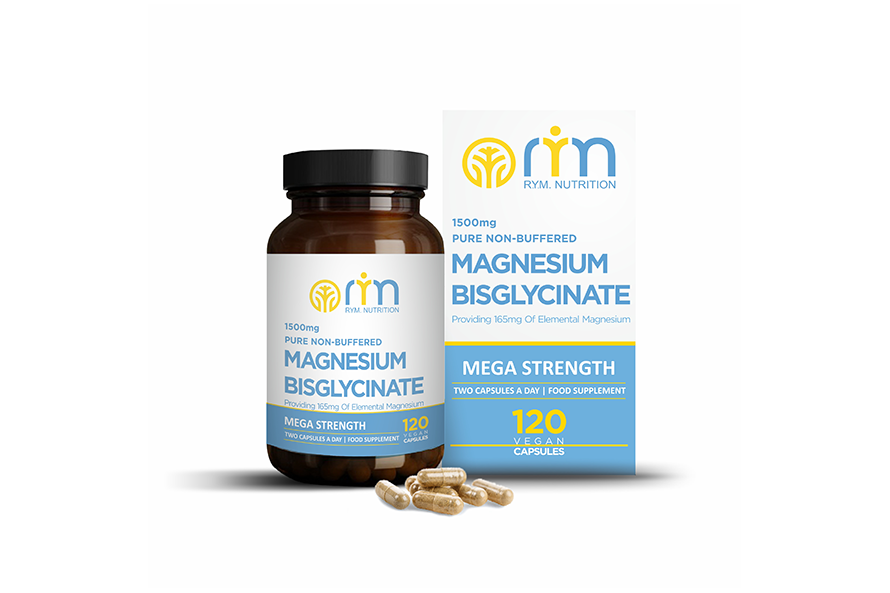
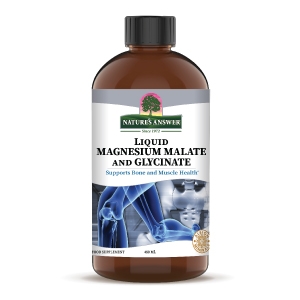 It has been reported that Magnesium, an important mineral involved in psychological and nervous system functioning, may be reduced in women affected by PMS, with clinical trial results suggesting that Magnesium supplementation may be effective in managing premenstrual mood changes.4 Nutritionists belief that this common dietary shortfall of magnesium in women is due to soil depletion and poor eating habits.
Glycinate and malate chelated forms of magnesium are considered most gentle on digestion and body. Magnesium glycinate benefits from containing the amino acid glycine that may also support relaxation and balanced calm.
v Zinc & Vitamin B6
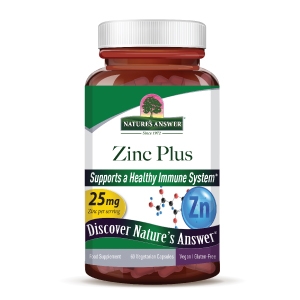 The trace mineral Zinc has an important role to play in hormonal health. In one clinical study, zinc supplementation for 12 weeks was shown to alleviate physical and psychological symptoms in women suffering with PMS.2 Dietary sources of zinc include pumpkin seeds and shellfish (oysters). Vitamin B6 is a cofactor for enzymes in the synthesis of several neurotransmitters including serotonin. Deficiency has been associated with nervous stress. Vitamin B6 is found in foods such as bananas, turkey, chickpeas, tuna, potatoes and salmon.
Nature’s Answer Zinc Plus capsules contain a balanced formula of Zinc, Copper and Vitamin B6 (as P5P -the bioactive form).
v Omega-3 & EPO
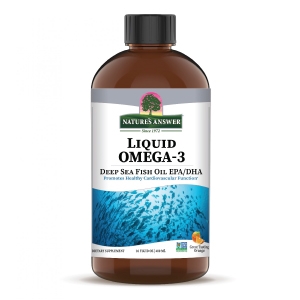 A scientific review suggests that essential fatty acids may be effective in reducing anxiety during premenstrual syndrome.3
Omega-3 fatty acids, found in fatty fish, Omega-3 Fish Oil and flaxseed oil, promote anti-inflammatory biochemical pathways with the potential to reduce pain and other inflammatory associated symptoms.
Research suggests supplementing with Evening primrose oil (EPO) may offer some relief to those suffering from PMS associated breast pain or tenderness (mastalgia).
Can Herbs Have a Role to Play in Managing Symptoms?
ü Vitex Agnus Castus
Vitex Agnus Castus, otherwise known as Chasteberry, is a plant traditionally used to support hormone balance during the menstrual cycle. Research has explored how this botanical affects sex hormones. Its natural compounds are believed to boost progesterone levels and improve the balance between progesterone and oestrogen. Vitex Agnus Castus might be supportive for women experiencing premenstrual symptoms related to low progesterone or oestrogen dominance. Double-blind placebo-controlled studies have observed the positive impact of Vitex Agnus Castus extract on premenstrual mastalgia and has linked this popular herb’s mechanism of action with the reduction of elevated prolactin and the promotion of dopamine activity within the brain.5
ü Chamomile Flowers
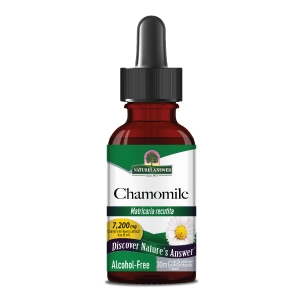 A systematic review conducted in 2019 revealed some impressive qualities of this humble flower, especially for women dealing with the challenges of premenstrual syndrome (PMS). The study found that the natural compounds in chamomile have anti-inflammatory, antispasmodic (meaning they help reduce muscle spasms), sedative, and anti-anxiety properties. These qualities may make chamomile particularly effective in alleviating several symptoms commonly associated with PMS. 6
Nature’s Answer Chamomile is a concentrated alcohol-free extract in liquid format for efficient absorption.
Lifestyle and Wellbeing Tips from Our Head Nutritionist, Isabelle
Reducing stress levels could significantly ease premenstrual symptoms. Here are some practical tips to help you navigate this:
- Moderate Exercise: Regular moderate exercise not only helps prevent PMS symptoms but also manages stress effectively.
- Relax and Practice Self-Care
- Meditation and Mindfulness: These approaches are excellent for managing stress responses.
- Prioritise Quality Sleep
- Healthy Eating Habits
- Consider Supplements: For additional support, you might consider supplements rich in key nutrients like neuro-vitamins, magnesium, and botanicals. RYM Nutrition Destress (Relax & Calm) is a comprehensive supplement blend containing the above, expertly designed for supporting stress and balanced mood. Check out Nature’s Answer, experts in herbal extracts- trusted since 1972.
(They also offer Vitex Agnus Castus in capsules and alcohol-free liquid formats as part of their vast range of high-quality natural supplements).
Any claims in this article are not intended to diagnose, prevent, treat or cure any diseases. A food supplement is not a substitute for a healthy balanced diet and lifestyle. If you are planning pregnancy, pregnant, breast-feeding, have a medical condition or are under medical supervision, please consult a doctor before taking supplements or making dietary changes.
References:
- https://cks.nice.org.uk/topics/premenstrual-syndrome/background-information/prevalence/
- Siminiuc, R., & Ţurcanu, D. (2023). Impact of nutritional diet therapy on premenstrual syndrome. Frontiers in nutrition, 10, 1079417. https://doi.org/10.3389/fnut.2023.1079417
- McCabe, D., et al. (2017). The impact of essential fatty acid, B vitamins, vitamin C, magnesium and zinc supplementation on stress levels in women: a systematic review. JBI database of systematic reviews and implementation reports, 15(2), 402–453. https://doi.org/10.11124/JBISRIR-2016-002965
- Facchinetti, F., et al. (1991). Oral magnesium successfully relieves premenstrual mood changes. Obstetrics and gynecology, 78(2), 177–181.
- W. Wuttke, et al. 2003. Chaste tree (Vitex agnus-castus) – Pharmacology and clinical indications. Phytomedicine, Volume 10, Issue 4, 348-357, https://doi.org/10.1078/094471103322004866.
- Khalesi, Z. B., et al. (2019). Efficacy of Chamomile in the Treatment of Premenstrual Syndrome: A Systematic Review. Journal of pharmacopuncture, 22(4), 204–209. https://doi.org/10.3831/KPI.2019.22.028