

































Drinking enough liquids is critical for anyone, but never more so than with athletes, whether you're a weekend warrior, play professional sports, or participate in college competitions. In fact, some research suggests that dehydration may reduce exercise endurance by almost half.1 That means you are performing half as well compared to if you were getting enough fluids and electrolytes.
It doesn't take much dehydration to impair your exercise performance. When you're dehydrated by as little as 2% of body weight, it can impair your performance.1 Being dehydrated by more than 5% of body weight decreases exercise performance by around 30%.1 The ability to perform high-intensity exercise is reduced by as much as 45% when an athlete is dehydrated prior to the start of competition at a level of only 2.5% body weight loss.1
Overlooking hydration could potentially cost you from being at the top of your game. In this article, we address what you can do before, during, and after exercise to make sure you're getting enough liquids and performing your best.
Signs of Dehydration
Dehydration happens when there is too much fluid loss—like when you're sweating—or you're not drinking enough fluids, or more likely both. Of course, you don't want to get to the point where you are dehydrated. If dehydration is mild, then you might not even realize you have it.
Here are obvious signs that you need more hydration:
- Dry mouth and tongue]
- Lethargy
- Thirst
- Headache
- Muscle weakness
- Dry skin
- Dark urine
- Dizziness
Less obvious signs of dehydration in athletes include:
- Decreased endurance
- Increased fatigue
- Slower reaction times
- Poor concentration and focus
Why Hydration is so Important for Athletes
Athletes often lose a great deal of fluid through sweating during practice and competitive play, especially during hot weather. For instance, adolescent tennis players can sweat at rates in excess of 1 Litre/hour during practice and tournament competition in the heat. In adult tennis players, during intense practice and competitive play, the sweating rate is often 2.5 Litres/hour or more.2
Hydration also is important for exercise recovery. Dehydration leads to decreased blood volume, which means the heart struggles to pump blood and, thus, oxygen and nutrients throughout the body. Without enough oxygen and nutrients, recovery will go slower.
The Importance of Electrolytes
Through sweating, athletes lose not only water but also electrolytes, specifically sodium, chloride, and potassium.4 This is why to rehydrate effectively, you not only need water and liquid intake but also sufficient electrolytes, especially sodium, to compensate for extensive sweat-related electrolyte losses. Electrolytes also help the body retain water and distribute the water you drink throughout the body.
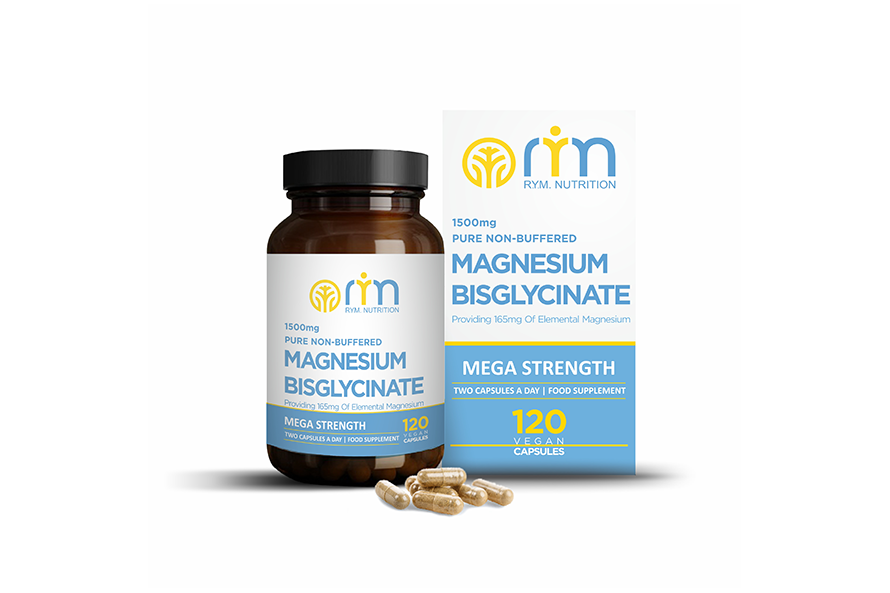
One of the most significant errors when considering mineral replacement is that other minerals, including trace minerals, are also often lost via sweating and also due to the increased metabolic demand. Optimal performance demands optimised nutritional intake and sufficient bioavailable vitamins, minerals, and nutrient cofactors. Consider supplementing with broad-spectrum minerals, including magnesium, electrolytes and trace minerals.
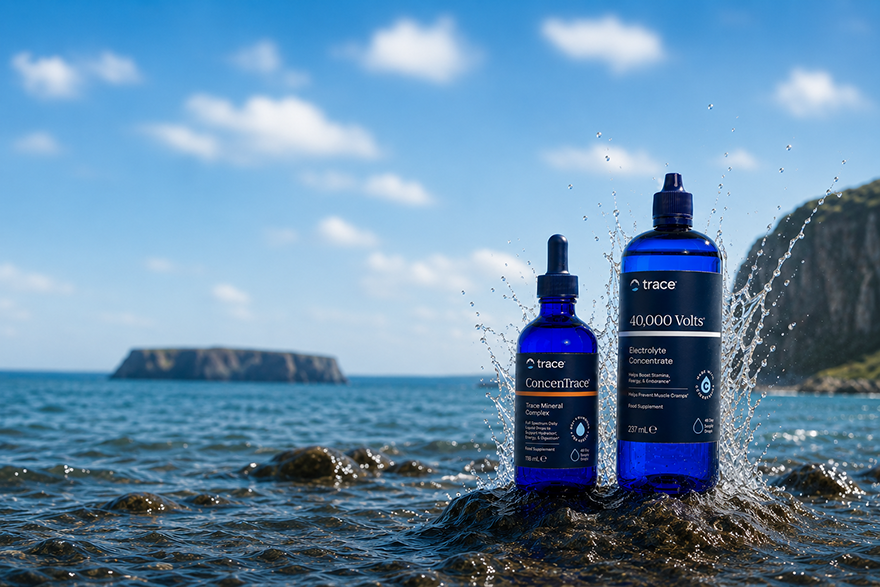
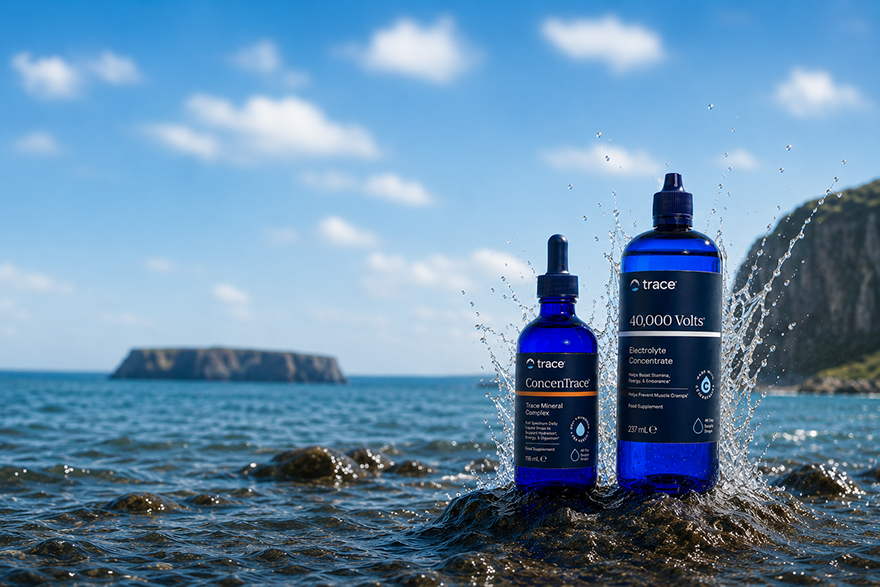
40,000 Volts Electrolyte Concentrate: As the name suggests, this formula from the Trace Minerals brand is dialled in for performance and hydration. While it contains the full spectrum of trace minerals - naturally harvested from the pristine Utah Great Salt Lake - it is specifically fortified with higher concentrations of key electrolytes like Magnesium, Potassium, and Sodium. It is the perfect solution to transform any water into a high-powered recovery drink without the sugar or artificial dyes or flavourings found in conventional sports drinks.
When Should Athletes Hydrate?
If you want to stay on top of your game, staying hydrated at every stage of the process, from training to post-exercise recovery, is important.
Drinking fluids when you're done training or competing can help with exercise recovery and reduce fatigue. The goal is to replace any fluids lost during physical activity. By knowing your body weight before you exercise, you can tell how much sweat you lost during exercise. If you lost 1.5% body weight or less, you are likely well hydrated. If you lost more than 1.5%, then dehydration is likely and you should down more liquids.
Don't Let Dehydration Compromise Your Exercise Performance
Reduced endurance, inability to react as quickly—whether you're swinging a tennis racket or golf club—and slower exercise recovery are all consequences of dehydration. Don't let something as simple as drinking more liquids and replenishing electrolytes stop you from competing for your best.
*Any claims are based on clinical research, are not aimed to diagnose, treat, cure or prevent any disease. Food supplements should be used within the framework of a healthy lifestyle and not used as substitutes of a varied and balanced diet.
References:
- ASKER JEUKENDRUP MG. Dehydration and its effects on performance. Sport Nutrition Web site. https://us.humankinetics.com/blogs/excerpt/dehydration-and-its-effects-on-performance. Accessed August, 2023.
- Bergeron MF. Hydration and thermal strain during tennis in the heat. Br J Sports Med. 2014;48 Suppl 1(Suppl 1):i12-17.
- Holland JJ, Skinner TL, Irwin CG, Leveritt MD, Goulet EDB. The Influence of Drinking Fluid on Endurance Cycling Performance: A Meta-Analysis. Sports Med. 2017;47(11):2269-2284.
- Orrù S, Imperlini E, Nigro E, et al. Role of Functional Beverages on Sport Performance and Recovery. Nutrients. 2018;10(10).
- McDermott BP, Anderson SA, Armstrong LE, et al. National Athletic Trainers' Association Position Statement: Fluid Replacement for the Physically Active. J Athl Train. 2017;52(9):877-895.