


























Overview of Ageing and Skin Health
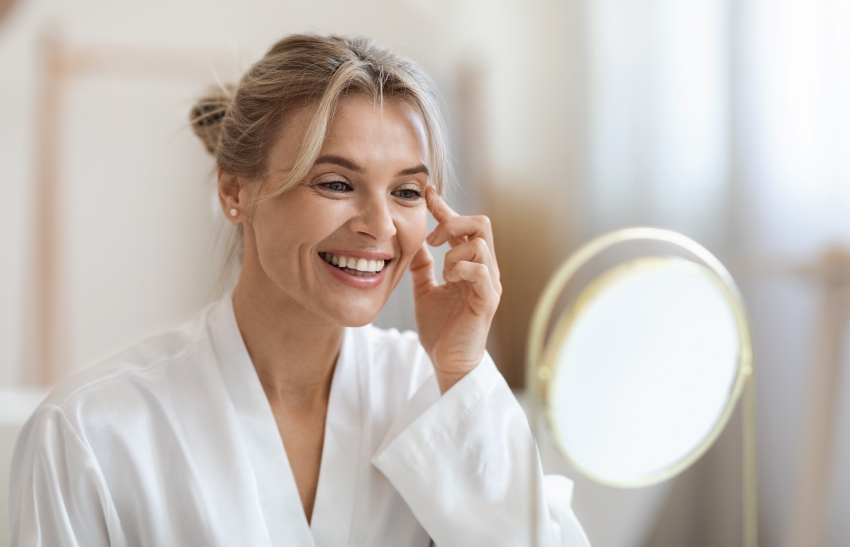
Ageing is a natural, inevitable process that affects every aspect of our body, including our skin. As we age, the skin undergoes significant structural and biochemical changes, which lead to various visible signs of ageing such as wrinkles, fine lines, and a loss of elasticity. These changes result from both intrinsic (natural) factors and extrinsic (environmental) influences. Understanding how ageing affects skin health, particularly the role of hormones, is important in addressing these concerns and maintaining a youthful appearance!
The Ageing Process and Skin Changes

The Natural Ageing Process
Skin ageing involves complex changes that occur at both the structural and functional levels. The skin consists of two main layers: the epidermis (the outer layer) and the dermis (the inner layer). Over time the epidermis and dermis begin to thin. Research indicates that the skin's thickness decreases on average by approximately 6.4% per decade.1 This thinning makes the skin more susceptible to damage and less capable of retaining moisture. As we age, the dermo-epidermal junction—the area where the epidermis meets the dermis—also undergoes significant changes. This junction flattens by more than a third, leading to reduced transportation and cellular supply of essential nutrients and oxygen.1 This reduction also contributes to the formation of wrinkles and a general loss of skin vitality.
Fibroblasts are cells in the skin's dermis that produce collagen, elastin, hyaluronic acid and other extracellular matrix components. These components provide structural support, hydration and elasticity to the skin. Skin aging is associated with a decrease in fibroblasts resulting in less hyaluronic acid production and reduced collagen synthesis.
Additionally, the production of sebum, the skin’s natural oil, decreases by as much as 60%.1 Sebum plays a significant role in maintaining skin hydration and the balance of the skin’s microbiome. A balanced microbiome is vital for skin health, as it protects against harmful bacteria and environmental stressors.
Common Signs of Ageing in the Skin
Some of the most common signs of ageing in the skin include:
- Wrinkles and Fine Lines
- Loss of Elasticity
- Age Spots
- Dryness
- Thinning Skin
To delay these signs of ageing, incorporating specific skincare products into your daily routine can be beneficial. Skincare ingredients for anti-aging can replenish moisture, protect against oxidative damage, and boost collagen production. Hyaluronic acid for example is a key ingredient that helps retain moisture in the skin, combating dryness and giving the skin a plumper, more youthful appearance. Plant antioxidants protect the skin from free radical damage. Microalgae such as Seahorse Plankton are sustainable, unique ingredients that have been scientifically proven to boost the skin’s collagen production.

Discover the next generation of pro-collagen skin care: Beauty Kitchen’s award-winning range of anti-aging products are formulated with antioxidant nutrient-dense, omega-rich microalgae. Beauty Kitchen Seahorse Plankton Intense Pure Source Collagen Serum delivers amazing results using sustainable ingredients:
• Increases collagen synthesis by 26%
• Significantly increases skin elasticity by 20%
• Reduces wrinkles visibility by 26% after just 2 months use
• Increase skin hydration by 33%
• Increase skin density by 17%
• Increasing production of antioxidants by 28% to protect against Blue-Light stress & UVA & UVB
Intrinsic vs. Extrinsic Ageing
Intrinsic Ageing
Intrinsic ageing, also known as chronological ageing, is the natural process that occurs as we get older. This type of ageing is largely determined by genetic, hormonal and biological factors and is characterized by the gradual breakdown of collagen and elastin, a reduction in skin cell turnover, and thinning of the skin. Biological processes such as the shortening of telomeres (the protective caps at the ends of chromosomes) and cellular ageing also contribute to the skin's ageing process. Women in particular experience more pronounced collagen loss in midlife onwards compared to men, primarily due to a decrease in oestrogen levels at menopause (more about the role of oestrogen and hormones in skin ageing in Part 2 of this blog series).
Extrinsic Ageing
Extrinsic ageing, in contrast, is influenced by external factors such as environmental exposure and lifestyle choices. Unlike intrinsic ageing, extrinsic ageing can be accelerated or slowed down based on how we take care of our skin and overall health. Common extrinsic factors include:
- Sun Exposure: Ultraviolet (UV) rays from the sun are a primary cause of premature skin ageing, known as photoaging. UV exposure damages collagen production and decreases the levels of extracellular matrix components like elastin and fibronectin. Additionally, UV rays activate matrix metalloproteinase (MMP) enzymes, which further degrade collagen and elastin, leading to wrinkles and sagging skin. Age spots are darkened areas of skin, often resulting from a combination of photoaging and the natural decrease in enzymatically active melanocytes, leading to uneven pigmentation in elderly skin.
- Pollution: Environmental pollutants cause oxidative stress, which leads to the breakdown of collagen and elastin, exacerbating the ageing process.
- Stress: Chronic stress and elevated cortisol levels are major drivers of skin ageing. Excess cortisol increases oxidative stress and inflammation leading to accelerated ageing of the skin.
- Lifestyle Choices: Smoking, poor diet, and lack of sleep can all accelerate skin ageing by increasing oxidative stress and inflammation, reducing the skin’s ability to repair itself and maintain its natural barrier function.
Products to Minimize Ageing from Extrinsic Factors
To minimize the effects of extrinsic ageing, it's important to incorporate protective and restorative products into your skincare routine. Broad-spectrum sunscreens are essential for protecting the skin from UV damage. Antioxidant-rich serums and creams can help neutralize free radicals and prevent environmental damage.

Hero Products:
Beauty Kitchen
Seahorse Plankton Intense Pure Source Collagen Serum
Seahorse Plankton Really Radiant Moisturiser
Seahorse Plankton Beauty Boost BB Cream
Seahorse Plankton High Definition Facial Oil
Check out the next blog post in this series: Part 2: The Role of Hormones in Skin Health
References:
Farage, M. A., et al. (2013). Characteristics of the Aging Skin. Advances in wound care, 2(1), 5–10. https://doi.org/10.1089/wound.2011.0356