






























By Isabelle Nunn, Head Nutritionist
1 in 4 adults feel lonely some or all the time, according to the Mental Health Foundation (2022).
We know that loneliness can affect our mental health and we can all feel lonely at times. The longer we feel lonely, the more we are at risk of mental health problems.
Stay connected with nature, yourself and those you cherish. It is so vital what relationships mean to our long- term mental health and happiness.
Staying connected to yourself also means looking after yourself and making sure that from a nutritional point of view, you support your body with a healthy diet; exercise to help support our feel-good hormones and top up with supplements or botanicals where needed.
Below are our Head Nutritionist’s top products to support our mental health and overall wellbeing*
Botanicals
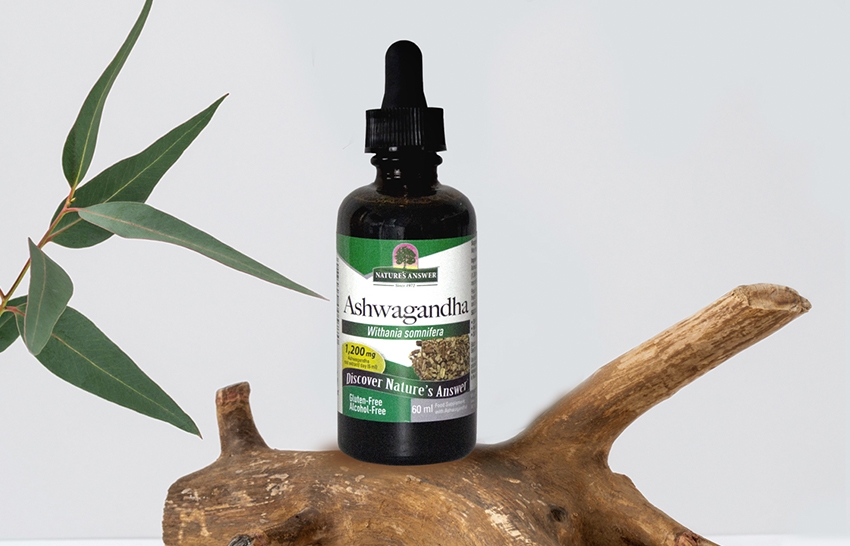
are wonderful in so many ways. They can be incorporated in your daily routine such as in teas, in your cooking or taken as a supplement. Also known as the ‘The Indian Ginseng’, Ashwagandha is one of the most commonly used roots in Traditional Ayurvedic Medicine for mental wellbeing and stamina. Ashwagandha is thought to help with stress and anxiety by supporting a calm mind and encouraging restful sleep. It is thought to also help support the body as a ‘rejuvenating’ tonic and could help especially when feeling fatigued, low and where physical endurance is needed particularly in sport.
You can also find Ashwagandha in Nature’s Answer holistically balanced, superior alcohol-free Ashwagandha liquid herbal extract and in Garden of Life’s Dr Perlmutter's Mood Microbiome Formula and Garden of Life Raw Fit Organic Protein.
Probiotics and Prebiotics
are thought to support our gut by helping our trillions of bacteria that reside within us and help them thrive. The gut supports our immune system but is also of great importance for our mental and emotional wellbeing. Our gut and mind communicate to produce essential brain chemicals (neurotransmitters) that help our mood and sleep as well as our anxiety levels! Start with simple steps such as incorporating a variety of foods every day, which can provide a variety of fibres, vitamins and minerals.
What are prebiotics and probiotics?
Prebiotic foods are the fibres and natural sugars that stimulate the good bacteria in the gut. Examples include garlic, greens, artichokes, chicory, chickpeas amongst others.
Probiotics are live bacteria and yeast that can be obtained from fermented foods such as kefir, kimchi, sauerkraut or yoghurts.
Which products can help?
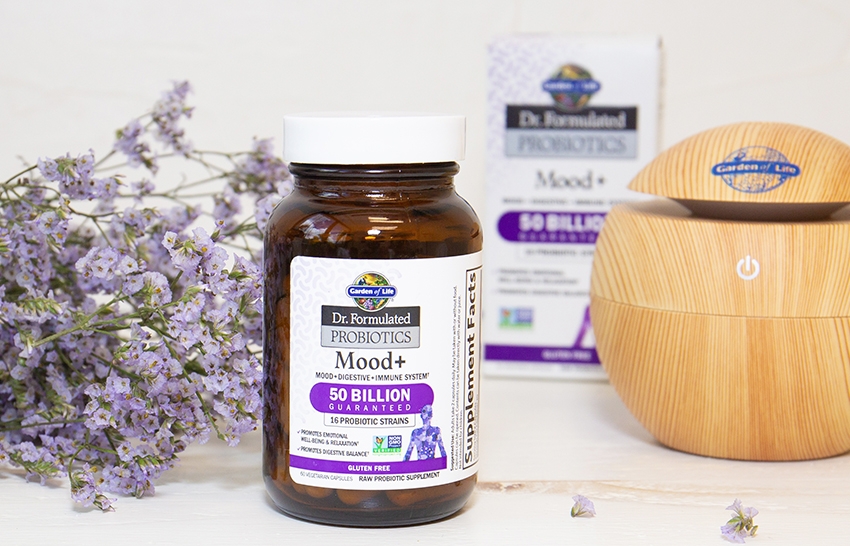
- Garden of Life Mood Microbiome offers a blend of gut friendly prebiotics, combined with a high CFU count of clinically studied strains of probiotics. The bacterial strains (probiotics) are resistant to antibiotics, stomach acid and bile. It contains a high colony forming unit count of 50 Billion bacteria, which is important! (NHS) We can rest assured it will reach our gut alive and has sufficient bacteria to have an effect. Clinical amounts of the ayurvedic botanical Ashwagandha have been added to support mood and general wellbeing.
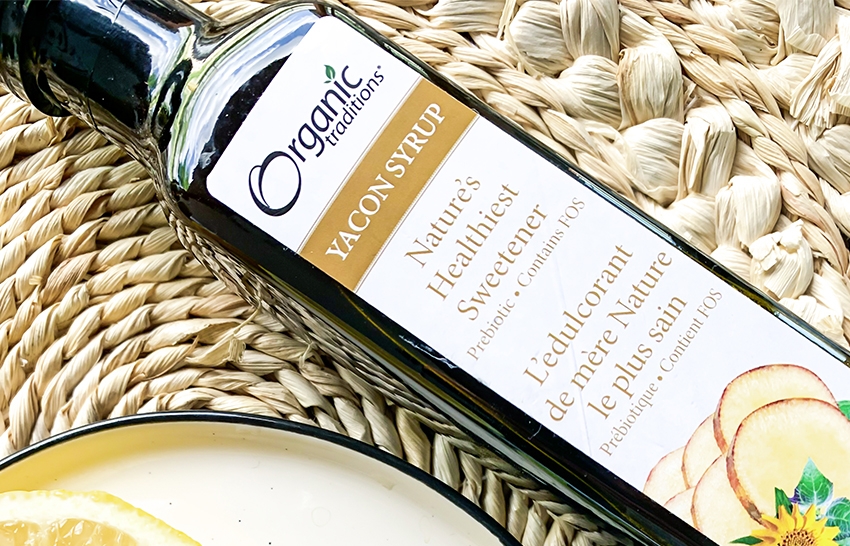
- Organic Traditions Yacon Syrup is a prebiotic, gut friendly sweetener, which provides an alternative to sugar. Sugar is present in so many shop- bought foods we are generally unaware of, but we know that sugar is huge disruptor in the healthy balance of bacteria in our guts!
When we feel low or lonely, we generally reach out for sugary foods, which is a vicious circle that is hard to deal with. Favour natural sugars derived from fruits, combine these with nuts to keep blood sugar levels stable and make sure every meal has a healthy intake of protein and wholegrains.
- Vitamin D is recommended by Public Health of England as a supplement to be taken on a daily basis at a dose of 10 micrograms per day, equivalent to 400 (IU) International Units (this varies depending on the individual). Vitamin D is essential for growth and development, healthy bones and teeth, our immune system and hormonal balance. Research has shown a direct link between feelings of low mood and depression with low levels of Vitamin D.
You can obtain your daily dose with this wholefood, certified organic and non-GMO project verified Vitamin D3 spray.
- Organic Matcha provides a wealth of antioxidants and a great alternative to coffee or tea when we need a pick me up. It can be incorporated in multiple things and not just used for teas or lattes! Too much caffeine as we know, can cause spikes in our stress hormone, cortisol, which isn’t great if we are going through a difficult period. So why not use something like organic ceremonial matcha by Organic Traditions.
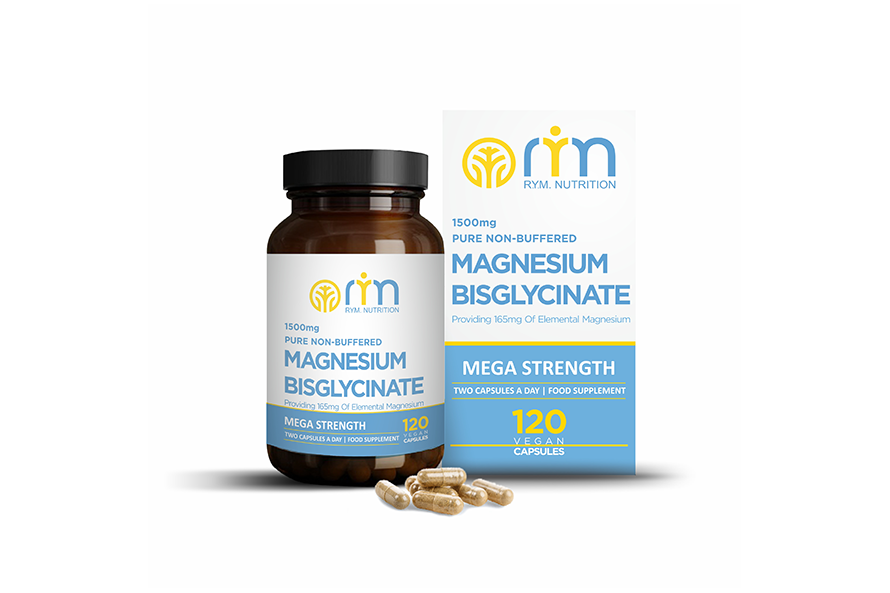
Other supplements which can be useful include B vitamins, Zinc, Magnesium and Essential Fatty acids.
Reach out to our team of experts, for any support you may need. There are multiple ways we can help guide you through the products within our range, which may be of support to you.
*Any claims in this article are not intended to diagnose, prevent, treat or cure any diseases. A food supplement is not a substitute for a healthy balanced diet and lifestyle.
REFERENCES
British Dietetic Association: https://www.bda.uk.com/resource/probiotics.html
Mental Health Foundation https://www.mentalhealth.org.uk/your-mental-health/about-mental-health