






























Understanding Neuro-Nutrition
to best support cognitive function, stress, sleep & mental well-being
The study of neuroscience in more recent years has highlighted the effects of diet and lifestyle factors on healthy brain function. Take adult neurogenesis for example, neurogenesis is the term given to the production of new neurons within the hippocampus of the brain, research indicates that the rate of adult neurogenesis may vary depending on factors such as exercise, psychological stress and nutrition; with a healthy rate of neurogenesis linked to better cognitive function such as learning and memory as well as resilience to stress with a protective effect against depression, low mood and anxiety.1
How important is the role of diet in cognitive health?
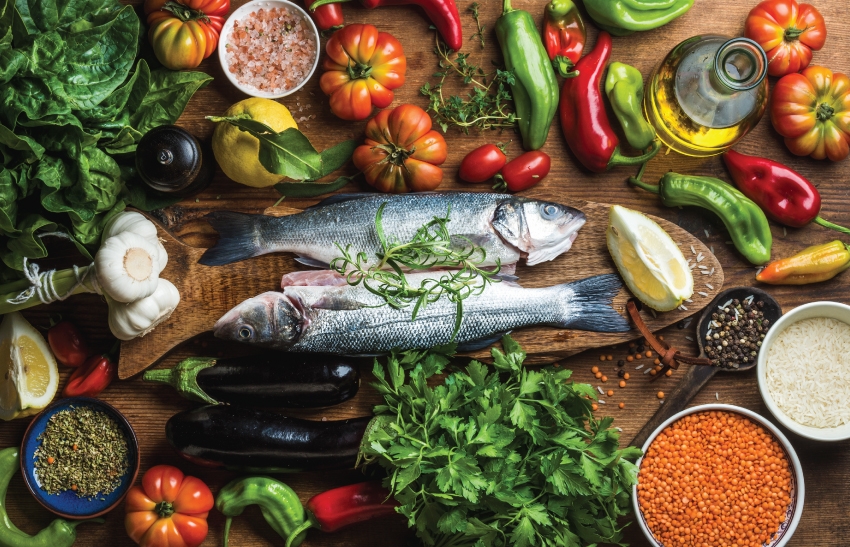
Those consuming a Mediterranean diet have been shown to have healthier looking brains! In neuroscience research, smaller brain volumes have been observed in brain scans of ‘cognitively normal’ groups of people consuming a modern western diet compared to a Mediterranean diet.
Researchers have concluded that a Mediterranean diet may have a protective effect against brain atrophy in key areas of the brain, lowering the risk of Alzheimer’s disease and cognitive decline. 2-4 These studies highlight just how insufficient the western-American diet may be in providing optimal nourishment for the brain.
Why the Mediterranean diet?
The Mediterranean diet is abundant in plant foods containing polyphenols and flavonoids, these antioxidant substances may protect the brain from oxidative stress. Polyphenols rich foods such as blueberries are thought to help supress neuroinflammation and counteract neurodegeneration.7
Omega-3 (DHA & EPA) from fish and other healthy fatty acids from olive oil and walnuts are plentiful in the Mediterranean diet, with omega-3 fatty acids, particularly DHA, involved in brain biochemistry and functioning. Research indicates that omega-3 may play an important role in the prevention of depression and dementia.5-6
When choosing a healthy and varied diet that promotes cognitive fitness, one may want to consider an ‘anti-inflammatory’ diet that supports healthy blood sugar balance and supplies essential nutrients such as:
- Neuro-vitamins: B vitamins including B12, B6, B3 and folate
- Omega-3: a healthy omega-3 to omega-6 ratio
- Zinc and Magnesium
- Choline8
- Vitamin D3 from sunlight and supplementation during the darker months
- Antioxidants such as vitamins C, E and bioflavonoids
- Probiotics and prebiotics to support the gut microbiome and gut-brain axis
Which lifestyle factors influence the mind and cognitive health?
High stress levels, lack of aerobic exercise and sleep deprivation can all inhibit neurogenesis and have a negative effect on cognitive function and mental well-being. Unfortunately, in recent years there is an increase in the number of people suffering from chronic stress and poor-quality sleep.
Depression, anxiety, brain fog and mental fatigue are common symptoms. Individuals are looking for holistic approaches to address:
- Stress management
- Sleep
- Mood
- Energy levels
- Concentration, Focus & Mental performance
The role of specifically targeted food supplements:
Individuals who are at greater risk of neuro-nutrient deficiencies include those on a restricted or plant-based diet. A vegan diet tends to be short in vital nutrients for the brain such as vitamin B12, choline and vitamin D. The modern western diet -often high in sugary, refined and processed foods, not only poses a risk of nutritional shortfalls but may also exert ‘neurotoxic’ effects. Those leading particularly busy lifestyles or experiencing psychological stress may have greater micronutrient requirements and may benefit from holistic strategies, including supplementation of ‘adaptogenic’ herbs to support healthy stress responses.
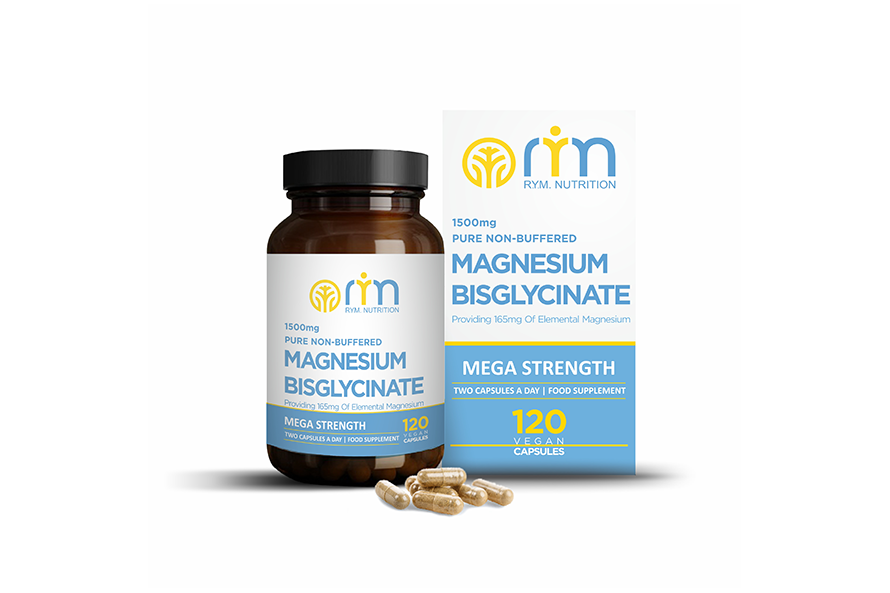
R.Y.M. Nutrition is a new nootropic supplement brand with a range of specifically targeted formulations containing a selection of neuro-vitamins and well-researched botanical ingredients to support the body’s healthy response to stress, quality of sleep and to enhance focus, memory and overall brain health.
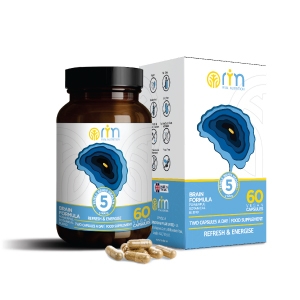 R.Y.M. Brain Formula: Refresh & Energise is a breakthrough multi-nutrient supplement designed for brain health. This all-in-one nootropic contains selected botanicals with multi-vitamins, minerals, amino acids and antioxidants that support brain health in 5 ways: sleep, memory, energy, concentration and mood.
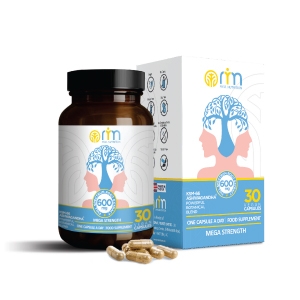 R.Y.M Ashwagandha Mega Strength is a well-researched, high-quality extract providing full-spectrum Ashwagandha standardised for withanolides.
R.Y.M. De-Stress Relax & Calm : provide a blend of botanicals and nutrients designed to help ease stress and anxiety, support mood fluctuations and energy levels as well as aid natural restful sleep including Holy Basil, L-theanine, Reishi mushroom and more.
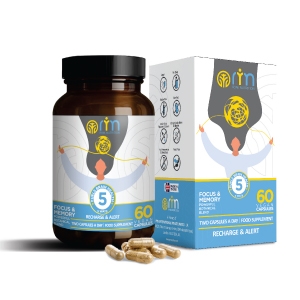 R.Y.M Focus & Memory -Recharge & Alert is designed to support focus and memory containing a unique blend of ginko biloba, brahmi, ginseng, sage leaf, choline, L-tyrosine, vegan DHA (omega-3), KSM Ashwagandha, zinc and B-vitamins.
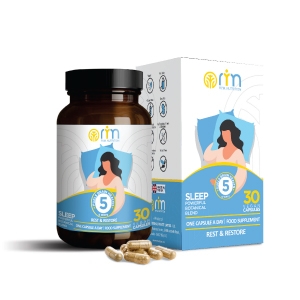
R.Y.M Rest & Restore- Sleep blend is designed to aid relaxation of muscles and the natural production of melatonin, to help you fall asleep, stay asleep and wake up, feeling refreshed and restored. Formulated with active organic ingredients including 5-HTP, Montmorency cherry, KSM-Ashwagandha and lemon balm.
*Any claims are based on clinical research, are not aimed to diagnose, treat, cure or prevent any disease. Food supplements should be used within the framework of a healthy lifestyle and not used as substitutes of a varied and balanced diet.
References:
- 1. Cope, E. C., & Gould, E. (2019). Adult Neurogenesis, Glia, and the Extracellular Matrix. Cell stem cell, 24(5), 690–705. https://doi.org/10.1016/j.stem.2019.03.023
- 2. Mosconi, L., et al. (2014). Mediterranean Diet and Magnetic Resonance Imaging-Assessed Brain Atrophy in Cognitively Normal Individuals at Risk for Alzheimer's Disease. The journal of prevention of Alzheimer's disease, 1(1), 23–32.
- 3. Berti, V., et al. (2018). Mediterranean diet and 3-year Alzheimer brain biomarker changes in middle-aged adults. Neurology, 90(20), e1789–e1798. https://doi.org/10.1212/WNL.0000000000005527
- 4. Mosconi, L., et al. (2018). Lifestyle and vascular risk effects on MRI-based biomarkers of Alzheimer's disease: a cross-sectional study of middle-aged adults from the broader New York City area. BMJ open, 8(3), e019362. https://doi.org/10.1136/bmjopen-2017-019362
- 5. Román, G. C., et al. (2019). Mediterranean diet: The role of long-chain ω-3 fatty acids in fish; polyphenols in fruits, vegetables, cereals, coffee, tea, cacao and wine; probiotics and vitamins in prevention of stroke, age-related cognitive decline, and Alzheimer disease. Revue neurologique, 175(10), 724–741. https://doi.org/10.1016/j.neurol.2019.08.005
- 6. Bourre J. M. (2005). Dietary omega-3 Fatty acids and psychiatry: mood, behaviour, stress, depression, dementia and aging. The journal of nutrition, health & aging, 9(1), 31–38.
- 7. Castelli, V., et al. (2018). Diet and Brain Health: Which Role for Polyphenols?. Current pharmaceutical design, 24(2), 227–238. https://doi.org/10.2174/1381612824666171213100449
- 8. López-Sobaler, et al. (2021). Importancia de la colina en la función cognitiva [Importance of choline in cognitive function]. Nutricion hospitalaria, 37(Spec No2), 18–23. https://doi.org/10.20960/nh.03351