






















By Isabelle Nunn, Head Nutritionist
Our Guide To Help Prepare For Seasonal Allergies and Combat Hay Fever Symptoms.
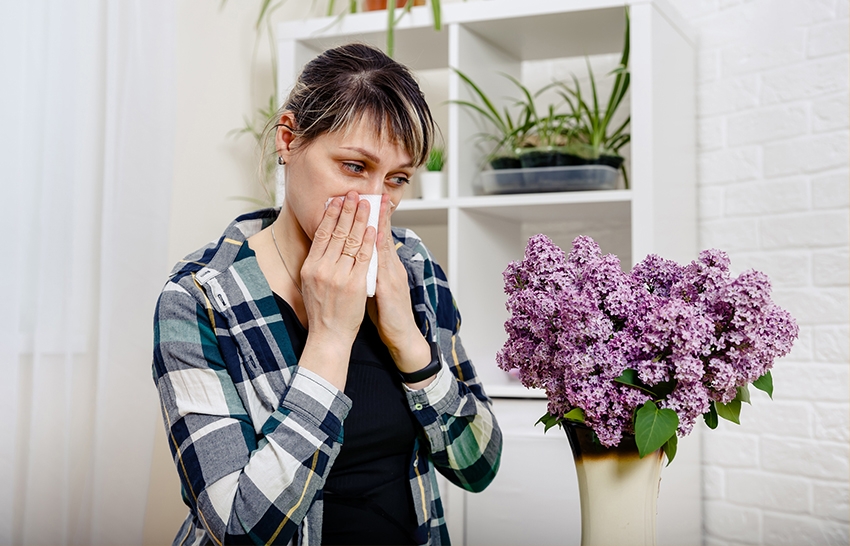
Spring is in the air and so is the pollen, Hay Fever affects around 25% of adults and 10-15% of children in the UK and this number is increasing year on year. The season begins in Springtime when the trees come into blossom, allergies can be triggered by tree pollen, grass pollen and/or weed pollen:
- Tree pollen – March to June
- Grass Pollen – May to July
- Weed Pollen - July to September
Otherwise known as Allergic Rhinitis, symptoms can include itchy or irritated eyes, nose congestion, loss of smell, sneezing, coughing and headaches. These allergic reactions can lead to feeling tired and stressed, negatively affecting one’s overall mood and quality of life. If severe, symptoms can also have a considerable negative impact on work, school learning, exams and social life. For those who suffer from allergic asthma, airborne pollen can cause symptoms such as wheeziness, tightness in chest and shortness of breath. The warmer weather in Europe over recent years (perhaps as a result global warming) has led to higher pollen counts and a worsening of hay fever symptoms.

Although it is impossible to avoid pollens completely, here are some practical tips to help your customers reduce their exposure*:
- Wash the face and hair before bedtime (pollen tends to stick to hair)
- Apply Vaseline as a barrier on the edge of each nostril to trap pollens
- Wear wrap -around sunglasses outdoors
- Sleep with your bedroom windows closed, at night
- Dry your laundry indoors, rather than outside to prevent pollen attaching to wet clothes
- Note that early morning and evening are when pollen counts are at their highest (if it is not raining)
- Favour vacations by the coast instead of the countryside, to reduce holiday exposure
How Can Nutrition Help?
The rise in incidence of allergies in recent years may also be as a result of air pollution, stress, poor diet and nutritional deficiencies. Maintaining a balanced immune system is key to help prevent and reduce occurrences.
v Increase the natural intake vitamin C and antioxidant containing foods.
v Garlic and onions are excellent sources of quercetin- according to recent studies this natural bioflavonoid may help regulate histamine production.*
v To keep up hydration levels drink plenty of filtered water and herbal teas.
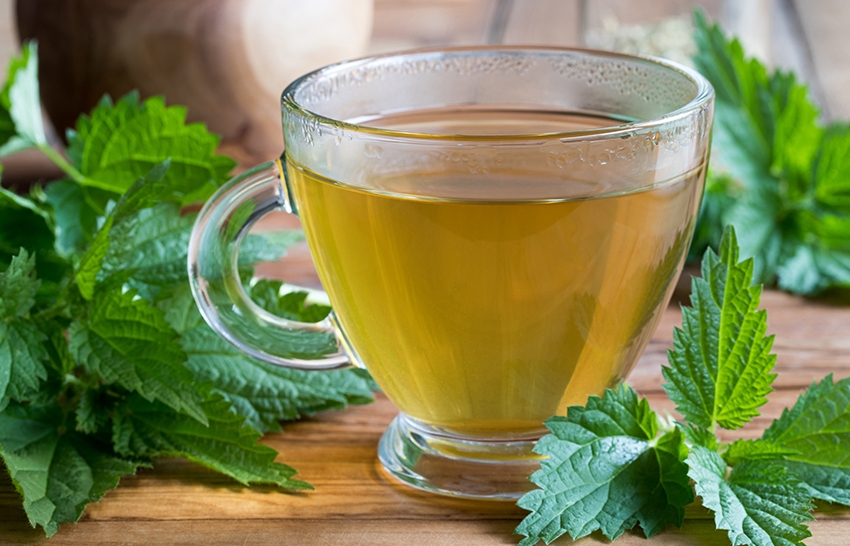
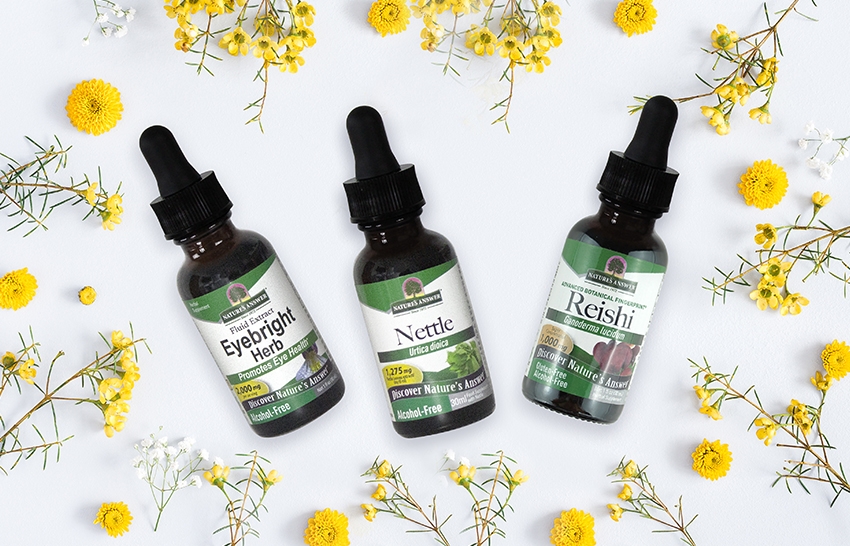
v Drink fresh nettle tea (or Nature’s Answer Nettle Leaf Liquid Extract for a more concentrated dose!). Nettle contains flavonoids which are thought to exert an inhibitory effect on the release of histamine and inflammatory prostaglandins.*
v Pack in healthy omega fats from oily fish, nuts, seeds and their cold pressed oils.
v Adopt an ‘anti-inflammatory’ diet low in refined sugars and processed foods.
v Work with a nutritionist to pinpoint possible food allergies/sensitivities (wheat or dairy) that could potentially aggravate hay fever symptoms.
Which Natural Products Can Be Recommended to Support Immune Responses?:
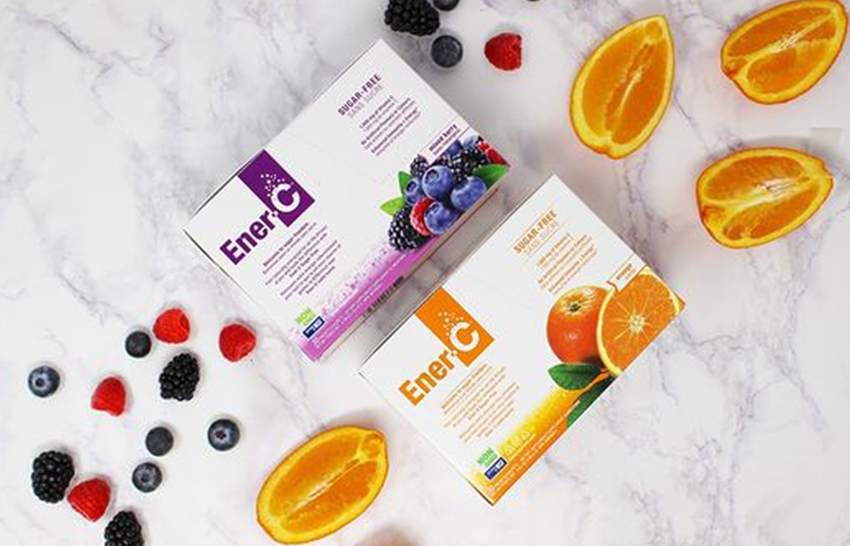
1. Ener-C Multivitamin Drink Mix
Packed with 1000mg of Vitamin C along side other immune supporting nutrients such as Zinc, Ener- C provides a deliciously effervescent combination of 25 essential vitamins and minerals. Flavoured with real fruits and vegetable sources to support optimal health needs, these convenient sachets are perfect on-the-go daily immune and energy support for busy people. A perfect Vitamin C choice for those with pollen allergies.
2. Nature’s Answer Chamomile Alcohol Free Liquid Extract
Chamomile herb is thought to help bring calm and support to those leading stressful lifestyles. Traditional herbalists have also used this herb to gently soothe symptoms of rhinitis and inflammatory responses related to hay fever. Unique on the market, Nature's Answer Chamomile is a pure and concentrated alcohol free, liquid extract for rapid absorption.
3. Nature’s Answer Reishi Alcohol Free Liquid Extract
One of the most studied mushrooms in the world, Reishi mushrooms are commonly referred to as the ‘King of Tonic herbs.’ Rich in triterpenes and beta-glucans, research suggests these natural compounds may help support and modulate the immune system – hence Reishi mushrooms may potentially reduce the body’s reaction to immune-related processes associated with seasonal allergies. Nature’s Answer alcohol-free liquid Reishi provides fast and efficient delivery of this potent fruiting body extract.
4. Eyebright (Euphrasia Officinalis)
Best known for its traditional use as a herbal remedy for irritated eyes- a symptom commonly experienced with pollen allergies. It is also thought to have natural anti-catarrhal properties. Nature’s Answer alcohol free Eyebright Extract can be taken internally for targeted herbal support.
*Any claims in this article are not intended to diagnose, prevent, treat or cure any diseases. A food supplement is not a substitute for a healthy balanced diet and lifestyle.