



























A strong immune system, daily learning and focussed concentration can provide the best tools for your kids at school.
Diet plays an essential role in maintaining concentration and energy throughout the school day with breakfast being key to performance. A healthy breakfast is also an opportunity to pack in some of the vital nutrients that kids need on a daily basis for a strong immune system to thrive through the school term.
Unfortunately, with pressure from advertising by ultra-processed food giants, as well as the cost-of-living crisis with processed foods often being the cheaper option, families are finding it more and more challenging to feed their little ones healthily.
This fact has been highlighted by The Broken Plate 2023** report, commissioned by the Food Foundation Charity, that states that “56% of calories consumed by older children and adults are from ultra-processed foods”. Parents may believe they are feeding their little ones well by serving cereal for breakfast, but unfortunately these regularly contain hidden sugars as main ingredients –The Broken Plate Report report has found that “only 7% of breakfast cereals and 8% of yoghurts marketed to children are low in sugar”. The concern with this is that sugar and refined carbs cause blood sugar spikes and dips which can have detrimental effects on kids’ attention, mood, energy levels and behaviour. Furthermore, highly processed sugary foods deplete vital nutrients from the body, can cause dental cavities and negatively affect the immune system. So, what are the alternatives?
Kids Healthy Breakfast Ideas:
It is wise to have a few breakfast options up your sleeve otherwise kids tend to stick with their favourite foods and after a time it can be tricky to get them interested in anything else! Varying breakfast options and ingredients over the course of the week also provides a greater diversity of nutrients.
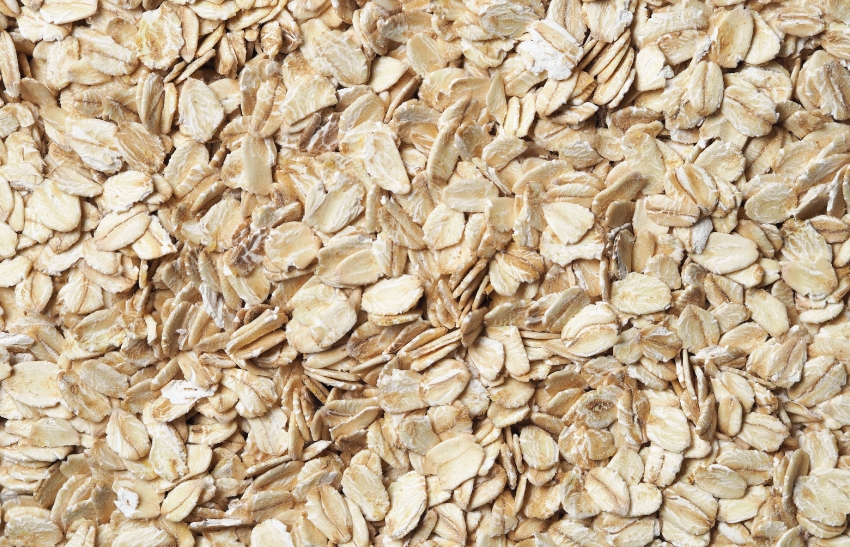
Oat based breakfasts:
Complex carbohydrates such as whole oats provide long lasting energy to fuel children’s bodies and brains. Oats are high in prebiotic fibre, this is important for the microbiome and supporting the gut: brain connection.
- Perfect for autumn and winter mornings, porridge can be a base for fresh fruit, stewed fruit, chopped nuts and sprinkled seeds.
- Overnight oats are an ideal choice for busy parents – just soak rolled oats in a bowl the evening before to soften, your child can get involved by customising with their favourite toppings!
- Oats could also be substituted with quinoa flakes in porridge as a protein-rich gluten-free alternative.
Wholegrain bread-based breakfasts:
Not all breads are overly processed, quality wholemeal bread also provides complex carbs and B vitamins for energy and brain fuel. Rather than sugary jams, offer up nut butters or eggs, as toppings for an extra protein boost.

Egg based breakfasts:
Pasture-raised eggs are a great source of protein and choline. Choline is needed for the neurotransmitter acetylcholine which is involved in memory and cognitive function.
- Scrambled eggs, savoury pancakes, omelettes and frittatas- make these more interesting by throwing in slices of mushrooms, tomatoes, red pepper, cheese or other extras.
- Savoury muffins can be made in advance and filled with veggies.
Natural yoghurt-based breakfasts:
The addition of protein and healthy fats to a breakfast meal makes it even more sustaining. Natural live (great for probiotics) or Greek full fat yoghurts are a great base for antioxidant-rich berries and other fresh fruit for sweetness. Yoghurt makes a healthy breakfast smoothie base blended with banana, fruit, and nut butters. For busy parents, smoothies can be made in advance and kept in the fridge.
Check out these sugar-free breakfast recipes:
- Strawberry & almond butter smoothie - Strawberries (fresh or frozen), blended with milk and some almond butter.
- Banana & Blueberry Smoothie – blend together with milk (plus optional vanilla extract)
- Mini egg & veg muffins
- Easy savoury breakfast muffins
- Healthier full English breakfast
- Click here for more recipes including sugar-free fruity pancakes
What to do with picky eaters?
It can take children a few tries before they accept a new food, so don’t give up. It is likely they will be more inclined to eat a new food or recipe if they are involved in its preparation or planning. Children with neurodiverse traits (autism or attention deficit hyperactivity disorder ADHD) are more likely than others to feel repulsed by certain foods if they have off-putting textures or tastes. Disguising foods and flavours in blended smoothies or homemade bakes could be the trick to create a more varied and balanced diet. This could work well with nutritious ingredients that kids wouldn’t otherwise go near.
What are the important micro-nutrients for kids’ cognitive ability?
A shortfall in certain nutrients can contribute to decreased cognitive function and mental focus.
- Iron deficiency is commonly found in growing children, symptoms include fatigue, poor concentration and anxiety.1
- Zinc contributes to normal cognitive function and this mineral deficiency has also been linked to mood disorders including anxiety and depression in female teenagers.2
- Omega 3 is a nutrient that can easily be overlooked- this essential fatty acid is vital for a growing brain’s structure and function.
- Omega-3 rich foods include omega-3 rich eggs, oily fish, chia and milled flax seeds.
- In addition, important for healthy growth and immunity, children may risk a shortfall in Vitamin D during the Autumn and Winter if their diet is not supplemented.
Vitamin D3 is included in Garden of Life’s Kids Microbiome, along with Vitamin C and probiotics for a healthy immune system.
 For the family, Vitamin D3 drops can also provide the perfect alternative. Your GP’s surgery can offer vitamin D3 tests to check your serum levels.
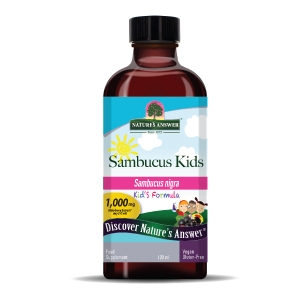 At the first signs of a cold, Sambucus Kids by Nature's Answer can be a great natural remedy to have at home and provide to children and teenagers over the age of 4 years old. The formula can also be taken as prevention.
Any claims are based on clinical research, are not aimed to diagnose, treat, cure or prevent any disease. Food supplements should be used within the framework of a healthy lifestyle and not used as substitutes of a varied and balanced diet.
References:
*https://foodfoundation.org.uk/publication/broken-plate-2023
1. Kim, J., & Wessling-Resnick, M. (2014). Iron and mechanisms of emotional behavior. The Journal of nutritional biochemistry, 25(11), 1101–1107. https://doi.org/10.1016/j.jnutbio.2014.07.003
2. Tahmasebi, K., et al. (2017). Association of Mood Disorders with Serum Zinc Concentrations in Adolescent Female Students. Biological trace element research, 178(2), 180–188. https://doi.org/10.1007/s12011-016-0917-7