




















Now is a popular time of year for customers to want to make changes to their diet and lifestyle habits in the pursuit of better health and fitness levels. Some individuals take part in ‘Dry January’ an alcohol-free month, others choose to embark on a new diet such as plant-based or ketogenic.
One important strategy that can benefit many, regardless of dietary preference, is supporting liver function and the liver’s detoxification pathways.
It is important because the liver is a powerhouse with numerous functions that play vital roles within many different systems of the body. Moreover, the liver is the only organ within the body that has the potential to regenerate and renew itself.
Your liver is involved in:
Detoxification – processing toxins that include those from external sources such as alcohol and pesticides on food as well as internal sources such as toxins from bacteria and byproducts of hormones.
Immunity – the liver contains a significant amount of active immune cells; endocrine functions – metabolism of hormones; bile production – which helps the body to digest and absorb nutrients; metabolism of nutrients; and vitamin storage – of vitamin B12, iron and fat-soluble vitamins.
Liver support may be especially helpful for those who are experiencing symptoms such as indigestion, constipation, low energy or fatigue, low mood, premenstrual syndrome, skin blemishes or food sensitivities.
Dietary and lifestyle changes can have a huge impact on supporting liver function.
How to support your liver and detoxification pathways:
ü Include foods in your diet that contain natural sulphur compounds such as onions, garlic and broccoli.
ü Drink plenty of filtered water. Begin each morning with a glass of water to break the fast (or hot water and lemon).
ü Eat plenty of antioxidant-rich vegetables of various colours such as red and orange peppers, carrots, tomatoes, beetroot and greens.
ü Eat one or two portions of fruit a day, especially berries and apples.
ü Your diet needs to be nutrient dense and contain wholefoods to ensure you’re consuming enough micronutrients needed for detoxification pathways. These include B vitamins, choline, vitamins C and E, beta-carotene and magnesium as well as the amino acids glycine, cysteine and taurine.
ü Oily fish such as sardines and mackerel provide essential fatty acids needed for healthy liver function. Other omega-3 rich oils such as hemp seed oil or flax oil are healthy additions for those on a plant-based diet.
ü Use quality unrefined oils such as olive oil drizzled on food and cook with saturated fats such as ghee and coconut oil rather than refined vegetable oils.
ü Support gut health and avoid constipation, toxins that are excreted by the liver can then be safely transported out of your body. Oat bran and milled flaxseeds provide useful prebiotic fibres. A healthy microbiome has a positive action on the liver, therefore probiotic foods such as live kefir and sauerkraut may be beneficial additions to the diet.
ü Take care to reduce intake of refined sugars, alcohol and ultra-processed foods that contain substances that you wouldn’t normally use as ingredients if cooking at home- including E-numbers, artificial additives such as monosodium glutamate (MSG).
It is not only what you eat, but your stress responses and how you eat that matters for optimal liver health:
v Eat your last meal at least 3 hours before bedtime so that your liver can focus on other important functions while you sleep.
v Some people find intermittent fasting of value. Avoid snacking after dinner and allow your body a good 12 hours overnight without eating.
v Move your body every day by taking regular exercise.
v Cultivate mindfulness in your daily life and introduce stress reduction techniques such as yoga, meditation and bodywork.
Herbs traditionally used to support the liver:
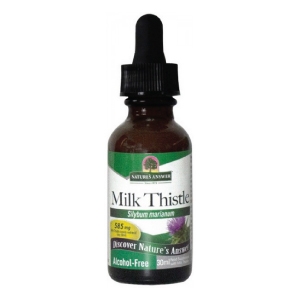 Milk thistle (Silybum marianum) contains the active compound silymarin which studies suggest possesses regenerative and hepato-protective properties. This flavonoid is thought to enhance hepatic glutathione and may contribute to the antioxidant defence of the liver, protecting it from free radicals.1
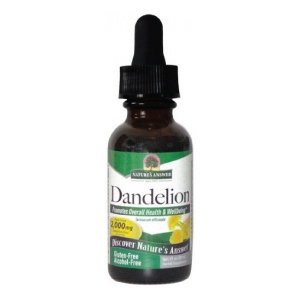 Dandelion is a member of the daisy family. The root contains bitter compounds that are thought to stimulate bile production and liver function.
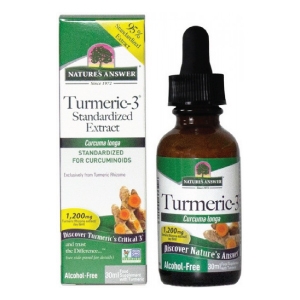 Turmeric spice contains active compounds known as curcuminoids, these have been shown to have anti-inflammatory and antioxidant properties. The botanical has been traditionally used to support liver and digestive function.
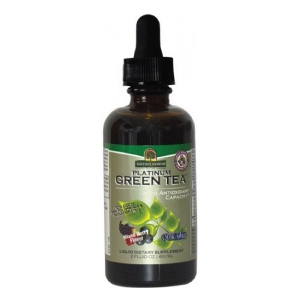 Green tea (Camellia sinensis) contains antioxidant compounds, namely catechins, the most abundant being epigallocatechin-3-gallate (EGCG). Research suggests that green tea may exert hepato-protective properties as well as supporting overall cellular health.2
Finally, it is important to make sure that your routes for eliminating toxins (liver, gall bladder and colon) are functioning well before embarking on a weight loss diet or cellular detox.
References:
- Vargas-Mendoza, N., et al. (2014). Hepatoprotective effect of silymarin. World journal of hepatology, 6(3), 144–149. https://doi.org/10.4254/wjh.v6.i3.144
- Imai, K., & Nakachi, K. (1995). Cross sectional study of effects of drinking green tea on cardiovascular and liver diseases. BMJ (Clinical research ed.), 310(6981), 693–696. https://doi.org/10.1136/bmj.310.6981.693