























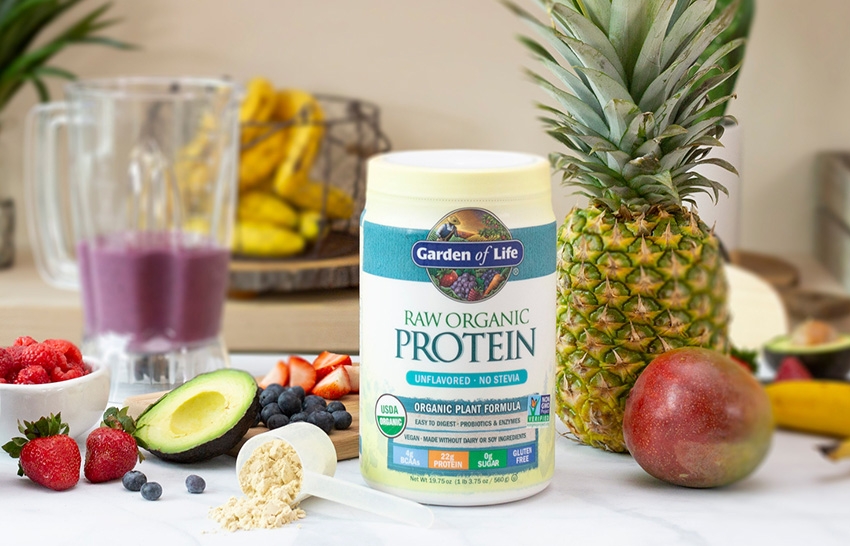
By Isabelle Nunn, Head Nutritionist
Fitness means good health and physical condition. Improving fitness levels not only leads to better physical health, it can result in increased self-esteem, resilience and improved psychological health. Why? Well, endorphins released during exercise flood the body and brain with ‘feel good’ hormones.
A balanced exercise regime incorporates 3 types of exercise:
- * Aerobic exercise
- * Muscle strengthening
- * Flexibility.
Aerobic exercise strengthens the cardiovascular and respiratory systems. Sports and any activity that raises your heart rate are considered aerobic. Muscle strengthening exercises build muscle through activities (ie. weightlifting, resistance training). Flexibility focuses on stretching out muscles and joints. Regular exercise places huge demands on the body, rapidly using up vital nutrients needed for repair, energy production, immunity and resilience. Hence why it is important to support any exercise regime with appropriate nutrition.
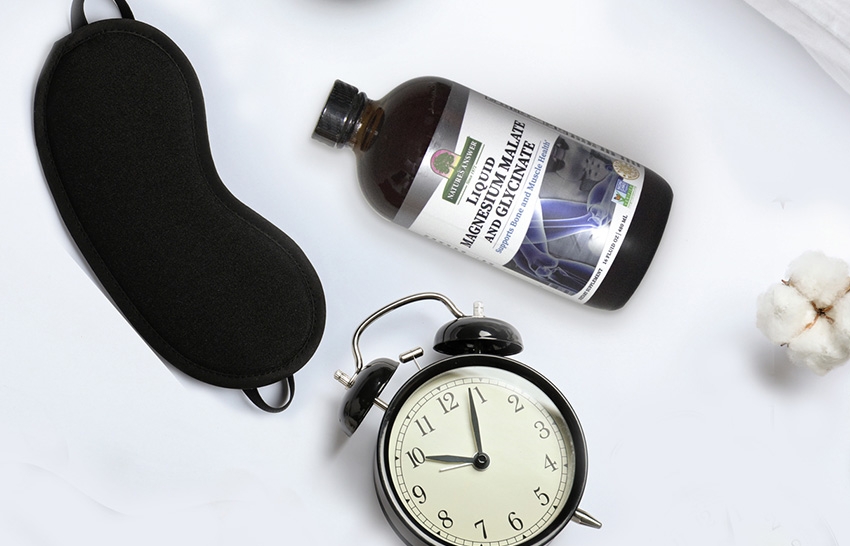
Which Go-To Nutrients that You Need to Consider for Energy and Exercise?
Protein:
- * Eating protein before and after exercise can result in improved muscle strength and performance. It can also promote muscle repair and reduce the risk of exercise induced muscle damage and soreness.
- * Protein increases satiety and helps stabilise blood sugar levels. Supports metabolism and plays an important role in weight management, as well as helping to prevent food cravings.
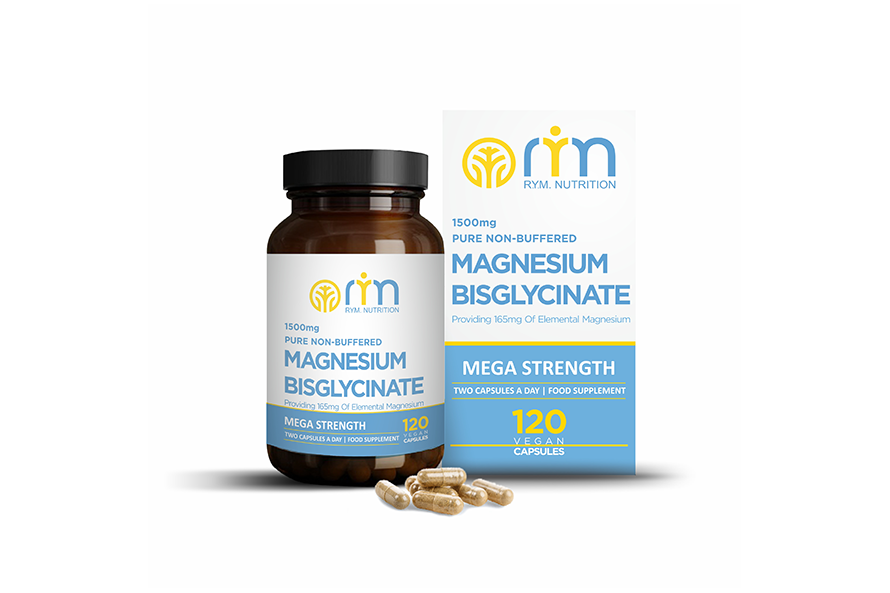
Supports muscle function, relaxation and a reduction in tiredness and fatigue. It also plays a role in electrolyte balance.
Antioxidants:
 Phytonutrients such as curcumin found in turmeric and natural compounds found in green tea extract may support muscle recovery after strenuous exercise. Antioxidants can help prevent oxidative stress by ‘mopping up’ extra free radicals produced as a result of exercise.
B Vitamins:
Support mitochondrial function, energy levels and heart health.
Who Can Be At Risk of Inadequate Protein Intake?
Intensive exercise uses up a great deal of calories, so athletes need to ensure adequate protein intake to prevent loss of muscle mass. Vegan and plant-based diets must be well balanced with various sources of plant protein to ensure good intake of all amino acids. Those who suffer from impaired digestive function and poor absorption may have increased needs for quality protein.
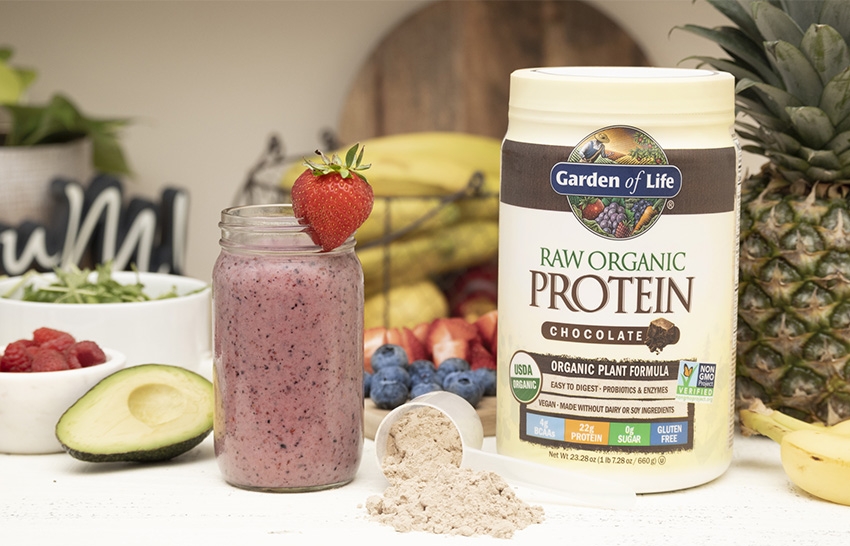
What to Look For in a Quality Protein Supplement?
- * Dairy, gluten- soy-free: hypoallergenic and provides versatility to meet customer’s dietary needs
- * Certified organic: ensures quality, planet friendly, safe and no pesticide residues
- * Non-GMO project verified
- * Raw sprouted ingredients & whole food nutrition: no synthetic vitamins or ingredients
- * Live bacteria & enzymes: to support digestion & absorption.
- * Certified vegan &gluten-free
- * Clean – tested & trusted for sport
- * Absolutely no artificial colours, flavours or preservatives
- * Independent, third-party verifications
- * Smooth texture & great flavour
Garden of Life range of Raw Organic Protein provide a complete amino acid profile. Organically grown American yellow peas constitute the main source of non-allergenic proteins, followed by a blend of sprouted grains, seeds and legumes. All proteins also contain live forms of bacteria, a great range of digestive enzymes and only organic flavours.
In addition, Raw Organic All-In-One Protein Shake contains a blend of 44 raw ingredients, providing 17 whole food vitamins and minerals, fibre and greens. Perfect for those looking for a delicious on-the-go shake with 20g of plant protein per serving to help satisfy hunger, manage weight.
Raw Organic Fit Protein is a high protein blend designed for an active lifestyle to support weight management. Each serving offers 28g of protein plus a diet and exercise botanical support blend with clinically proven ingredients that include Organic Green Coffee Bean Extract (Svetol), Ashwagandha, Baobab, Cinnamon, Daikon Radish and Alfalfa.
Clinically studied decaffeinated green coffee bean extract (Svetol) works in 2 ways:
1. By reducing glucose intestinal absorption
2. By inhibiting the glucose-6-phosphatase (G-6-P) in the liver. Research suggests this helps the body burn fat instead of sugar.
Any claims in this article are not intended to diagnose, prevent, treat or cure any diseases. A food supplement is not a substitute for a healthy balanced diet and lifestyle
References:
- https://pubmed.ncbi.nlm.nih.gov/16988909/
- https://pubmed.ncbi.nlm.nih.gov/29746891/
- https://pubmed.ncbi.nlm.nih.gov/32075287/
- Dellalibera O, Lemaire B and Lafay S Ospeldale. Phytotherapy (2006)