































In this article, we delve into how sleep works and what can affect falling asleep, staying asleep, as well as a overall quality sleep. We also provide you with nutrition and lifestyle hacks for supporting a better night’s sleep
It is estimated that one in three of us suffer from poor sleep. Sleep deprivation can greatly affect our quality of life, even just one or two nights of poor sleep can lower our resilience to stress and lead to increased fatigue, irritability and brain fog the following day. The biological impact of sleep insufficiency restricts the body's restorative functions and if this becomes chronic can lead to a greater risk of health problems. Moreover, lack of sleep can have a negative impact on mental health, making one more prone to anxiety or depression. Having restorative sleep as a priority could be one of the most beneficial things we do for our health.
How does sleep work?
Sleep is supported by a biological cycle known as the circadian rhythm. When it gets dark a hormone called melatonin is released by the pineal gland that sends a message to the brain that it is time to go to sleep. The body converts the neurotransmitter serotonin into melatonin. During sleep we go through cycles of Rapid Eye Movement (REM) and Non-Rapid Eye Movement (NREM). The NREM stage is a deep sleep phase when the brain generates more delta waves, this is when sleep becomes most restorative and the body can attend to metabolic homeostasis, tissue repair and immune function. REM sleep, characterised by dreaming, helps your brain integrate new information. It is crucial for daytime mood and cognitive function. 1
What can go wrong?
Factors contributing to poor sleep include
 menopausal hormonal imbalances and night sweatsbody painshift workjetlagexcessive caffeineand poor sleep hygiene.
In modern life, exposure to light once the sun has gone down, especially the blue LED light from our smartphones and devices, can result in a dampening down of our melatonin production.
Those experiencing psychological stress such as anxiety have greater risk of sleep deprivation. Many people find they are just too wired in the evening to fall asleep.
Increased cortisol levels at night can cause a hyperalert state not conducive to sleep, moreover, high levels of circulating stress hormones can have a negative impact on melatonin production. This can create a vicious cycle when stress prevents quality sleep and in turn poor sleep lowers resilience to mental, emotional and physical stressors.
5 Nutrition tips for a good night’s sleep
- Eat at least 3 hours before bedtime. Eating very rich or spicy foods late in the evening may interfere with sleep, but don’t skip your evening meal altogether because eating too little could lead to waking up at night if your blood sugar drops.
- Although it doesn’t tend to cause a problem with getting to sleep, alcohol is known to suppress REM sleep and increase periods of wakefulness during the night, so, it is not an ideal ‘sleeping draught’.
- Reduce stimulants such as caffeine (coffee, tea, chocolate) after midday. Some individuals are more sensitive to caffeine than others and it can take up to seven hours for 50% of caffeine to leave the body.
- Magnesium is a co-factor in the conversion of serotonin to melatonin. It has also been shown to support muscle relaxation and psychological health. Foods rich in magnesium include dark green leafy vegetables, beans, nuts, and whole grains.
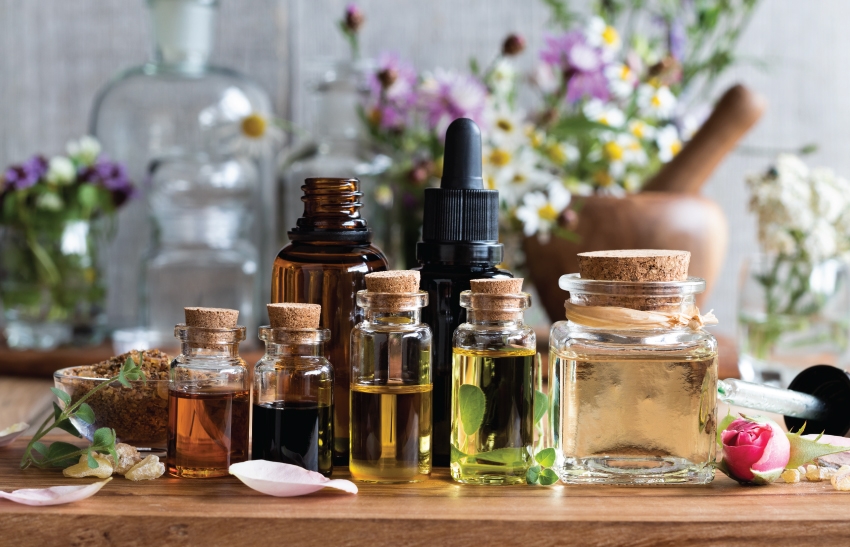
Are there nutrients and herbs that could also be helpful?
Due to soil depletion, high stress levels and poor eating habits, many people do not get enough magnesium in their diet.
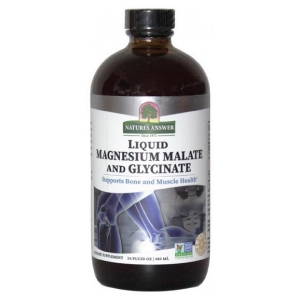 Nature’s Answer Liquid Magnesium Glycinate supplies ‘gentle’ forms of magnesium. Magnesium Glycinate also provides the amino acid glycine, studies have shown glycine may contribute to improved quality of sleep. The liquid format allows for fast and efficient absorption of this essential mineral.
- Botanicals traditionally used for supporting a good night’s sleep include Passionflower, Chamomile flower and Valerian root. The actions of the indigenous American flowering plant known as passionflower (or passiflora) are thought to be associated with the modulation of GABA.2 GABA is a neurotransmitter involved in reducing activity in the central nervous system, resulting in enhanced mood, relaxation and healthy sleep.
Nature’s Answer concentrated alcohol-free herbal extracts offer pure liquid formats for efficient and rapid absorption.
- ‘Adaptogenic’ herbs have been traditionally used to support relaxation and sleep. The Ayurvedic herb Ashwagandha is also known by its botanical name Withania somnifer, this gives us a clue about its traditional use- as ‘somnifera’ means sleep-inducing.
In a randomized, double-blind, placebo-controlled 2021 clinical study, a herbal extract of ashwagandha was shown to improve cognitive functions in healthy, stressed adults. This included an improvement in psychological well-being, sleep quality and reduced stress levels.3
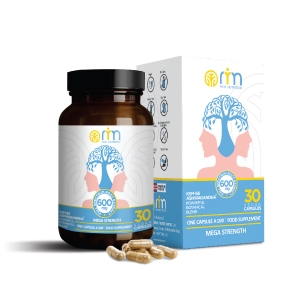 RYM Nutrition KSM-66 Ashwagandha supplies a mega-dose of 600mg (per capsule) extract of ashwagandha. KSM-66 is the most clinically trialled ashwagandha currently available.
- 5-HTP is a compound made up of naturally occurring amino acids and is a precursor of melatonin and serotonin, the critical molecules in regulating the sleep cycle. 5-HTP naturally derived from Griffonia herb can be found in our sleep and mood formulas. Montmorency cherries have also been found to naturally contain melatonin.
For some customers a specifically targeted supplement containing a complex of nutrients and botanicals may be more supportive and cost effective than taking single ingredients on their own. MindScopic Mood Master has been designed to naturally address heightened stress and anxiety that can block good quality relaxation and sleep.
Based on scientific research, this unique formula contains 5-HTP, Ashwagandha, Valerian root and Magnesium plus Neuro-nutrients such as B vitamins and vitamin D3.
Which lifestyle hacks can help to encourage good sleep?
To create a conducive sleep environment when you go to bed, adjust the room temperature so it is not too hot, as the body’s core temperature needs to drop slightly to initiate sleep.
- Regular daily exercise is important, but too much vigorous exercise late evening may promote increased cortisol in the body. Gentle yoga and stretching at this point in the day might be your best option.
- Relaxation rituals such as hot baths with essential oils or Epsom salts can help with unwinding from a stressful day.
- Utilising relaxation techniques or mindfulness tools can help to manage stress especially before bedtime. A mindfulness body scan or meditation on the breath.
- To help your body synthesise melatonin go outdoors for at least 15-20 minutes early in the day to expose yourself to natural daylight.
- Turn off blue-light emitting devices an hour before bedtime and use black-out curtains or blinds if necessary to keep your bedroom as dark as possible.
Finally, create a ritual for going to sleep and establish a routine of going to bed and getting up at the same time every day, even on weekends, to embed healthy habits.
In need of more sleep support?
If you have tried changing your dietary and lifestyle habits, but are still looking for additional support. You may wish to look into this advanced formula:
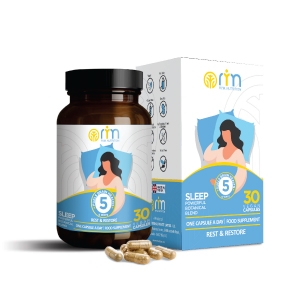 RYM Nutrition Sleep: Restore & Relax offers a comprehensive formula combining 5-HTP, KSM-66 Ashwagandha, Lemon balm, Magnesium glycinate, Montmorency cherry and more- all in one capsule- ideal for taking an hour or so before bedtime.
For informational purposes only. Any claims mentioned in this blog are based on research and are not aimed to diagnose, treat, cure or prevent any disease. Food supplements should be used within the framework of a healthy lifestyle and not used as substitutes of a varied and balanced diet. Consult with your medical practitioner if you are taking medications before making any changes to your diet or supplementation.
References:
1.https://www.thensf.org/what-are-the-sleep-stages/
2. Elsas S. M., et al. (2010). Passiflora incarnata L. (Passionflower) extracts elicit GABA currents in hippocampal neurons in vitro, and show anxiogenic and anticonvulsant effects in vivo, varying with extraction method. Phytomedicine : international journal of phytotherapy and phytopharmacology, 17(12), 940–949. https://doi.org/10.1016/j.phymed.2010.03.002
3. Gopukumar K, et al. (2021). Efficacy and Safety of Ashwagandha Root Extract on Cognitive Functions in Healthy, Stressed Adults: A Randomized, Double-Blind, Placebo-Controlled Study. Evid Based Complement Alternat Med. https://pubmed.ncbi.nlm.nih.gov/34858513/