











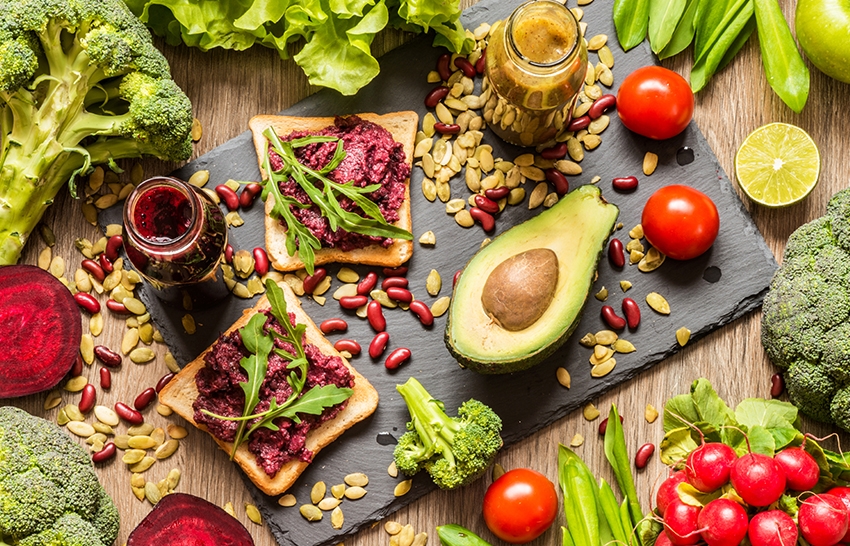
There has been an increasingly popular movement towards a plant-based and vegan diet in recent years. Veganuary, the annual event that encourages people to eat vegan for the month of January inspired and supported over 620,000 people in January 2020.
The choice to become vegan is influenced by a number of factors ranging from health and environmental benefits to preventing animal suffering.
Are there health benefits to becoming a vegan?
The well-balanced vegan diet may provide a range of health benefits. The diet offers an array of whole foods- vegetables, pulses, beans, nuts, seeds and wholegrains- and if planned carefully can supply a host of phytonutrients, fibre, plant protein, healthy fats, vitamins and minerals. Potential benefits include heart health, with vegan diets being associated with a lower risk of high blood pressure, cholesterol levels and blood sugar levels. Studies have also found that the vegan diet may be more effective for weight loss than other diets. *
Can we become deficient in certain nutrients?
However, even the most nutritiously balanced vegan diet risks a shortfall in specific nutrients, because there are certain nutrients that can only be found at sufficient levels in animal products. A long-term deficiency of these essential vitamins and nutrients, if left unchecked, could potentially lead to symptoms and health complications.
Which nutrients are vegans more likely to become deficient in?
Vitamin B12
 Vegans may find themselves deficient in B-12 since this vitamin is usually found in meat and dairy. Vitamin B12 is important for the nervous system and energy levels. Clinical deficiency can cause anaemia with common symptoms including tiredness, low mood, numbness, tingling, poor memory and concentration. Vitamin B12 also supports a healthy immune system, so frequent colds and infections can be another sign that it is lacking in the diet. Very low intake of Vitamin B12 can cause nervous system damage with deficiency symptoms taking up to 5 years or more to develop. Vitamin B12 deficiency is also a cause of elevated homocysteine levels. Elevated homocysteine levels have been linked to a number of chronic degenerative health conditions of the cardiovascular system and brain.
Garden of Life mykind Organics offers a range of supplements formulated with vegans in mind. Their certified organic Vitamin B12 Spray supplies the best natural and active form, methylcobalamin, in a spray format that bypasses the digestive tract, enabling efficient delivery. This format is especially helpful for those who have underlying digestive issues or generally poor absorption of B12.
Vitamin D
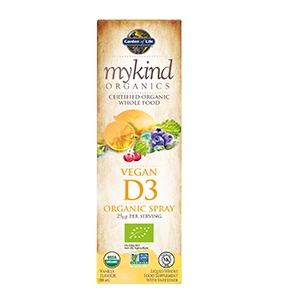 Vitamin D can be obtained from exposure to sunlight during the summer months - the winter months pose more of a risk of deficiency. The main food sources of Vitamin D are animal sources, such as oily fish, eggs, beef and liver. It is therefore especially advisable for those following a vegan diet to supplement with Vitamin D3 during autumn and winter.
Vitamin D deficiency symptoms could include tiredness, frequent infections and Seasonal Affective Disorder (SAD). Symptoms of osteomalacia (the adult form of rickets) include weakness, aches and pains. Long-term vitamin D deficiency can lead to osteoporosis or chronic immune issues down the line.
Garden of Life mykind Organics Vitamin D3 Spray is a vegan form of vitamin D3 derived from lichen. It provides Vitamin D3 as cholecalciferol, the biologically active form. Vitamin D is a fat-soluble vitamin so for optimal assimilation mykind Organics delivers it in a base of extra virgin olive oil and organic pumpkin seed oil. The spray format allows for efficient and fast absorption of this nutrient.
For those following a vegan diet who prefer the convenience of a certified Vegan one a day multi vitamin & mineral to cover all bases, Garden of Life mykind Organics Women’s Once Daily Multi and Men’s Once Daily Multi contain 1000IU (25mcg) of vegan vitamin D3 and 5mcg of vitamin B12 (200% NRV) along side a range of nutrients, all sourced directly from real whole foods.
Omega 3
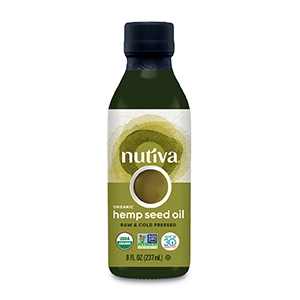 Omega 3 essential fatty acids are found in nuts and seeds within a vegan diet, however, vegans may require much larger amounts of omega 3 than those who consume oily fish, as oily fish contains the already converted form of omega 3 as DHA & EPA. Hemp seed oil is a natural source of Omega 3 alpha-linolenic acid. Unlike flax, it also contains valuable stearidonic acid (SDA) and gamma-linolenic acid (GLA). SDA has been shown to convert more readily to EPA in the body than ALA. Nutiva’s cold-pressed Organic Hemp Seed Oil supplies 2.5g of omega-3 and 500mg of GLA per serving.
Iron
Although a vegan diet offers foods rich in iron such as pulses and tofu, these vegetable sources of iron are generally poorly absorbed. Menstruating women are more at risk of deficiency, those following a vegan diet would be wise to watch out for signs of anaemia such as tiredness and shortness of breath.
Iodine
Iodine is needed for healthy thyroid function. Concentrations of iodine in vegetables that are grown in soil can be very low. Incorporating seaweed in a vegan diet can boost daily intake. Seaweeds such as nori, wakame and hijiki can be consumed in vegan diets.
Amino Acids
Although protein sources such as pulses, tofu, beans, nuts and seeds are ample in a vegan diet, vegans are advised to consume a variety of these sources every day in order to obtain the full amino acid profile. If using a vegan protein powder, go for a clean certified organic formula such as Garden of Life RAW Organic Protein, this supplies the complete range of amino acids from a variety of plant sources such as organic peas, sprouted seeds and sprouted legumes combined with live bio-cultures and digestive enzymes to aid digestion.
*The claims are based on clinical research, are not aimed to diagnose, treat, cure or prevent any disease. Food supplements should be used within the framework of a healthy lifestyle and not used as substitutes of a varied and balanced diet.
*References: