





























By Davina C.
This Stress Awareness month, Kinetic has suggestions to make sure you are not neglecting your wellbeing.*
Whilst April might be Stress Awareness Month, each year sees a rise on rise percentage of the population feeling overwhelmed, struggling and unable to cope. According to a recent study by the Mental Health Organisation, over 70% of the nation have experienced feelings of extreme stress, only accentuated the past two pandemic years. Interestingly it is women who make up the majority, from feelings of stress to even self-harm with a range of reasons mentioned including income and health complications.'(1)
Q: What symptoms can be linked to stress?
A:
* Anxiety
* Digestive problems ranging from bloating, constipation or spasms.
* Sleep problems
* Skin problems such as acne or psoriasis
* Lethargy
* Generally feeling low
Ella Owen, in house nutrition expert says: 'If you find yourself overwhelmed, one of the worst things you can do is to plough on. If you keep pushing on, even when you are feeling tired, you risk depleting your body’s energy resources and this is a road to prolonged burnout! In a stress response the sympathetic nervous system down regulates the systems of the body involved in digestion, rest, and repair. Stress can adversely affect quality of sleep and relaxation, perpetuating a negative cycle making it even harder to recover. The long-term effects can really take a toll on the body- it is considered a major contributing factor in many chronic illnesses such as heart disease, depression, chronic fatigue and immune related conditions. The body’s ability to adapt to daily stressors is dependent on a number of factors including nutritional status.'

Q: How can the diet help in managing stress?
A:
* Nourish your body with antioxidants (brightly coloured vegetables and fruits)
* Support your adrenal glands (good sources of protein and B vitamins)
* Feed your gut bacteria (fibre, vegetables, fermented foods, vary your sources)
* Stay hydrated
Diet plays a great part in day-to-day stress levels and working with a registered nutritionist can be helpful.
 Q: Would we need to supplement to support our stress levels?
A:
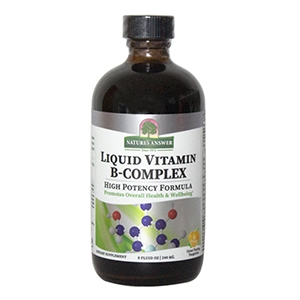
- Vitamin B Complex by Nature’s Answer provide a blend of essential B vitamins, Vitamin C, Choline and Inositol in an easily absorbed, liquid form. Vitamin B5, in particular can help support mental clarity. A good form of Vitamin B12, if needed on its own is particularly useful when vegetarian or vegan. We advise on Garden of Life Vitamin B12 spray
- Ener-C provides 1000 mg of soluble vitamin C in mineral ascorbate forms; a form easily recognised by the body to utilise. Stress has been shown to deplete us of this macronutrient, and replenishing it can help us bounce back.
- Mushrooms like Organic Mushroom Chaga and Organic Mushroom Reishi can provide support for the immune system and stress related factors and symptoms. They are high in natural antioxidants, pure, certified organic, and are a great addition to the diet.
 Q: What herbal remedies can help with Anxiety?
A:
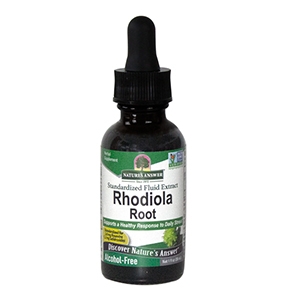
- Rhodiola Root may help to cope with stress and fatigue.
- Chamomile Flowers' gentle nature may help bring calm and support.
- Ashwagandha Root may help to nourish and support the adrenal glands while bringing balance to hormonal changes that occur as a result of stress.
Other lifestyle changes and activities that can help alleviate and help control stress levels include being out in fresh air, breathing exercises, gentle movement such as Pilates, rest, digital detox and wild swimming.
*For information purposes only. Any claims are based on clinical research, are not aimed to diagnose, treat, cure or prevent any disease. Food supplements should be used within the framework of a healthy lifestyle and not used as substitutes of a varied and balanced diet.
References
1) https://www.mentalhealth.org.uk/statistics/mental-health-statistics-stress