
































As January rolls in, many of us look to make resolutions focused on enhancing fitness levels, weight management and improving overall well-being. It’s common to feel sluggish after the New Year, making this an ideal time to focus on boosting our metabolism. By implementing simple lifestyle changes and incorporating supportive foods, we can regain our energy and vitality, setting the year on a positive footing.
Why Does Your Metabolism Matter?
A healthy metabolism can positively impact many areas of life. It can contribute to improvements in physical endurance as well as sustainable weight management. A healthy metabolism supports effective calorie burning, making it easier to maintain or achieve an ideal weight during a season of Winter comfort food. As a result of improving metabolism people often report feeling more energised throughout the day, with enhanced mood and sleep quality.
Unlocking Your Body's Natural Metabolic Potential: The Power of Thermogenesis
Thermogenesis is your body's internal furnace, a natural process by which the body generates heat. This process activates brown adipose tissue—metabolically active brown fat cells—to boost metabolic efficiency. While white fat cells turn fuel into energy stores, brown fat cells burn fuel as heat. Increasing thermogenesis can help burn more calories, making it beneficial for those aiming to maintain or lose weight. Thermogenesis:
 Burns calories automatically
- Activates brown adipose tissue (BAT)
- Helps regulate your metabolic efficiency.
Igniting Metabolism with Nutrition:
Enhancing fitness involves more than just exercise; it requires a nutritional approach that transforms how your body processes energy. Combining regular physical activity with metabolism-supporting nutrition can optimise your body’s energy systems. This synergy promotes healthy body composition, especially when paired with strength training.
Adequate protein intake enhances metabolic rate while supporting the building and maintenance of lean muscle mass. Natural extracts derived from plants, mainly polyphenols and flavonoids, have been studied for their capacity to activate thermogenesis.1 Foods with thermogenic potential, such as green tea and ginger, may stimulate calorie burning and enhance energy expenditure.1 Additionally, micronutrient dense foods - especially those rich in B vitamins and the minerals magnesium, chromium and selenium- optimise metabolic function.
Tips for the new year:
- Start with small, consistent changes
- Prioritise nutrient-dense whole foods: vegetables, whole grains, lean proteins & healthy fats
- Consume sufficient protein by including a good source at each meal (i.e. chicken, fish (salmon, mackerel), eggs, Greek yogurt, tofu, lentils)
- Focus on optimal hydration
- Avoid skipping meals as consistent meal timing helps regulate blood sugar levels
- Bring in fibre-rich foods and pack in the Greens!
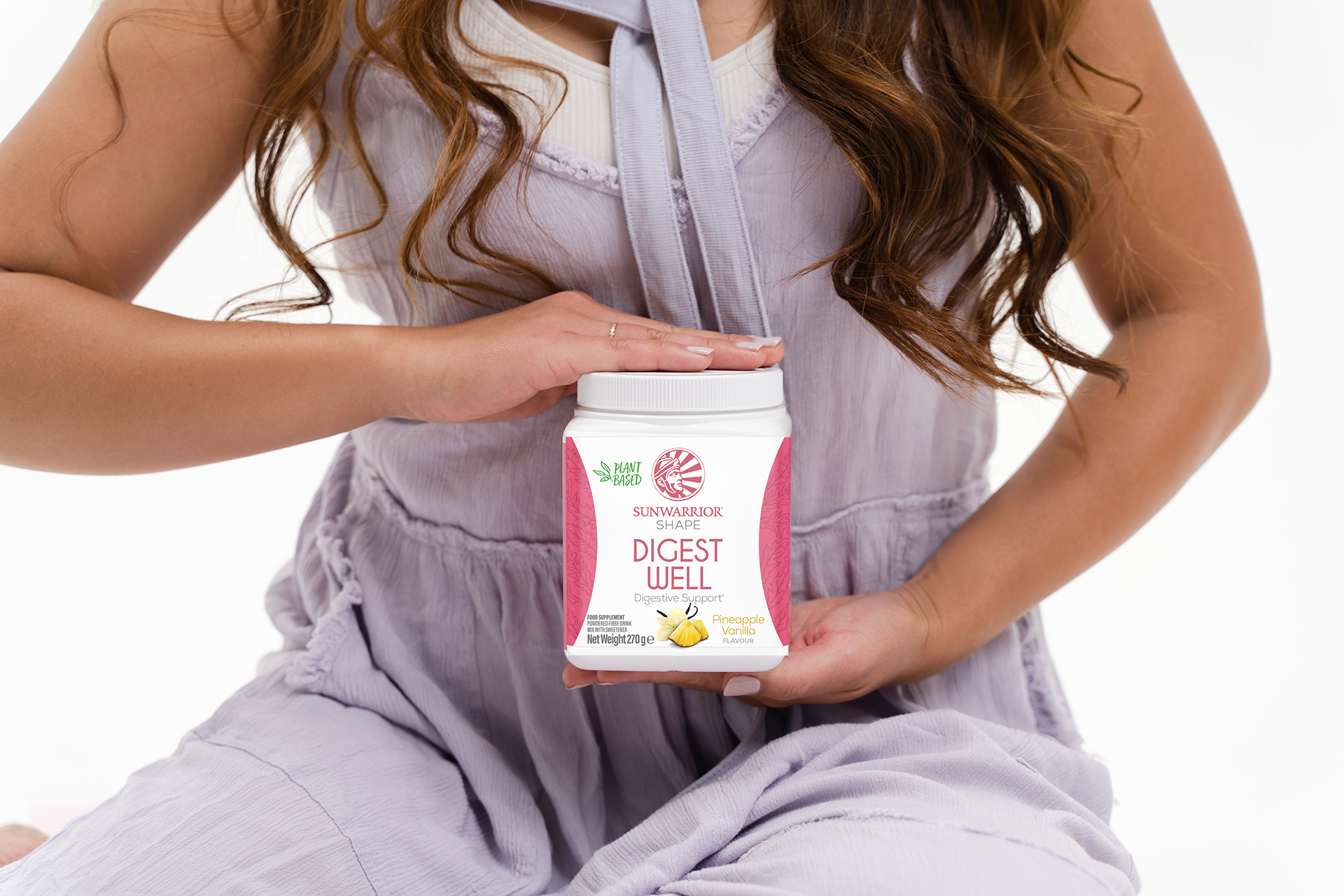
- Utilise the power of thermogenic foods. Consider Sunwarrior Thermo Greens - this innovative blend contains clinically studied ingredients, designed to support thermogenesis and ignite metabolism - while nourishing your body with 29 fruits, vegetables, and herbs.
Key ingredients in Sunwarrior Thermo Greens
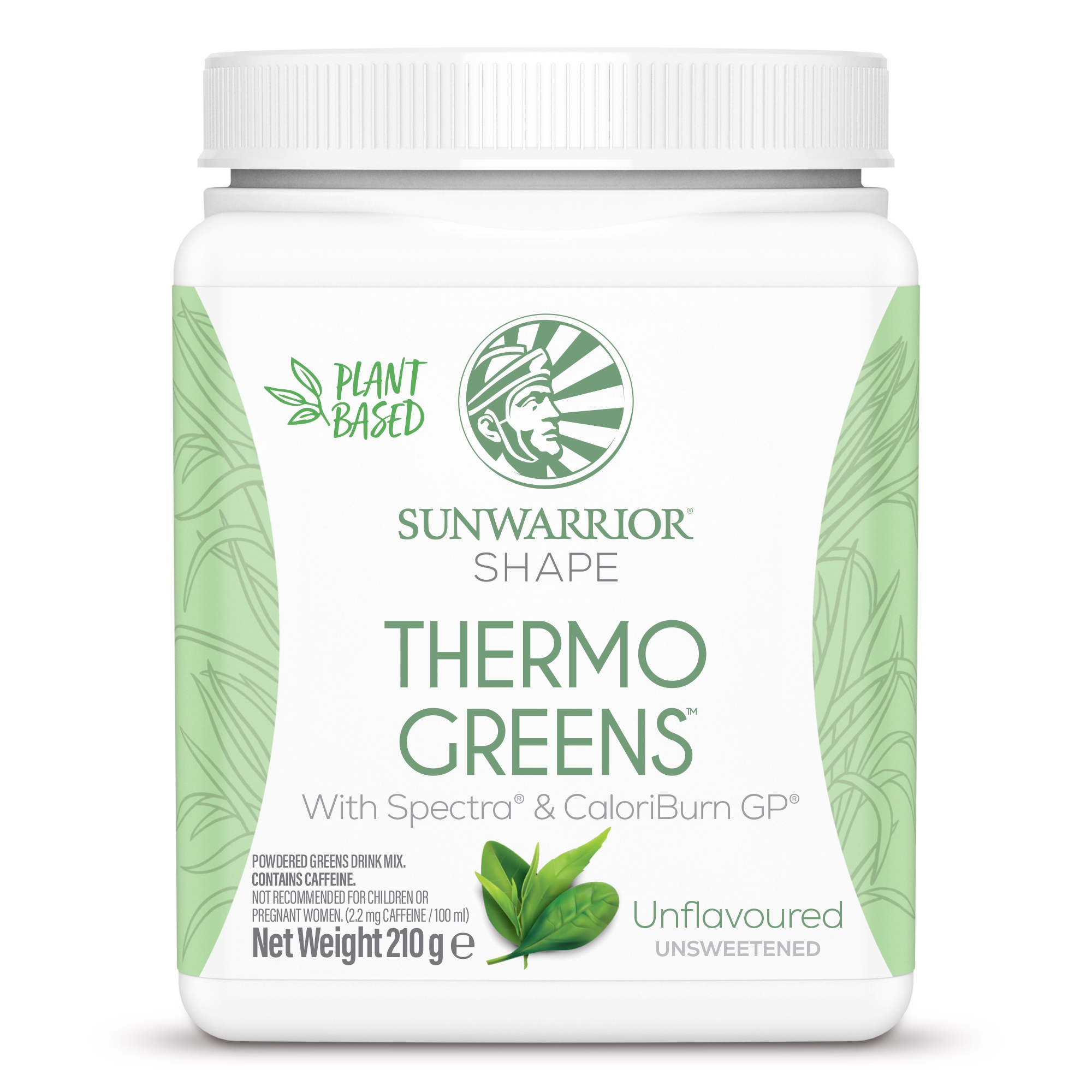 Sunwarrior Thermo Greens is a premium blend of 100% plant-based nutrition! It provides an excellent source of super-greens including Spirulina and Wheat Grass juice powder. Serving as an “Antioxidant amplifier” it boasts 29 fruits, vegetables, and herbs that work together to combat free radicals. Significantly, Sunwarrior Thermo Greens delivers natural ingredients with thermogenic potential, designed to ignite metabolism, activate brown adipose tissue and elevate calorie burning.
CaloriBurn® Grains of paradise – this natural ingredient- belonging to the ginger family species- may effectively activate brown adipose tissue. Clinical research suggests daily ingestion of Grains of Paradise extract may increase whole-body energy expenditure and decrease visceral fat (fat around the belly).2
Spectra® is a scientifically validated formula of fruits, vegetables, and herbs shown in research to inhibit free radical production, optimise cellular metabolic activity, and increase nitric oxide levels within our bodies. Nitric oxide may enhance blood flow and improve exercise performance.3
Matcha tea- Research suggests that green tea combined with a healthy diet and regular physical exercise may support weight management.4 Matcha is rich in catechins, these plant compounds act as natural antioxidants.
How to Enjoy Thermo Greens:
Incorporating Sunwarrior Thermo Greens into your diet is simple. Mix or blend one scoop into 300mg of your preferred beverage, such as water, almond milk, or a smoothie.
Ideal Times to Consume:
- In the Morning: Start your day with a nutrient boost
- Before a Workout: Taking Thermo Greens about 30 minutes before exercising may enhance energy and support performance
- As a Mid-Morning Snack: This may help maintain energy and curtail any cravings before lunch
Discover Sunwarrior:
Sunwarrior offers a premium range of plant-based, certified organic protein powders and vegan collagen blends designed to support your wellness and fitness goals. Their Shape Protein & Collagen Greens combines the power of clean, plant-derived collagen peptides with InnoSlim®. For optional synergistic effect use in combination with Thermo Greens “Metabolic Ingnitor”!
*Any claims are based on clinical research, are not aimed to diagnose, treat, cure or prevent any disease. Food supplements should be used within the framework of a healthy lifestyle and not used as substitutes of a varied and balanced diet. Top of Form
References:
- 1. Reguero, M., et al. (2021). Precision Nutrition to Activate Thermogenesis as a Complementary Approach to Target Obesity and Associated-Metabolic-Disorders. https://doi.org/10.3390/cancers13040866
- 2. Sugita, J., et al. M. (2014). Daily ingestion of grains of paradise (Aframomum melegueta) extract increases whole-body energy expenditure and decreases visceral fat in humans. Journal of nutritional science and vitaminology, 60(1), 22–27. https://doi.org/10.3177/jnsv.60.22
- 3. Nemzer, B. V., et al. (2014). New insights on effects of a dietary supplement on oxidative and nitrosative stress in humans. Food science & nutrition, 2(6), 828–839. https://doi.org/10.1002/fsn3.178
- 4. Lin, Y., et al. (2020). The effect of green tea supplementation on obesity: A systematic review and dose-response meta-analysis of randomized controlled trials. Phytotherapy research : PTR, 34(10), 2459–2470. https://doi.org/10.1002/ptr.6697