

























Here our in-house nutritionist Ella Owen shares her top supplements, as well as diet and lifestyle advice on:
How to Nourish Your Hormones for Better Skin Health
Whilst some people focus primarily on skincare products for achieving their healthiest looking and feeling skin, nourishing your hormones from the inside out is just as important in maintaining skin health, if not more so. Our hormones play a critical role in regulating everything from inflammation to collagen production, both of which impact how our skin looks and feels. By making mindful choices about the foods we eat, and our lifestyle habits, we can support our hormonal balance and, as a result, our skin. In this guide, we’ll explore the key nutrients and practices that can help you nourish your hormones for better skin health. From vitamin-rich diets to stress management techniques, learn how to take a holistic approach to skin care by starting from within.
Vitamin C: supports the body’s overall resilience and stress response. The adrenal glands contain one of the highest concentrations of vitamin C found in the body. Antioxidants such as vitamin C can help neutralise free radicals and regulate inflammation. Vital for collagen production, Vitamin C also directly helps maintain skin health and appearance. A “rainbow diet” that incorporates a variety of brightly coloured fruit and vegetables provides essential antioxidants.
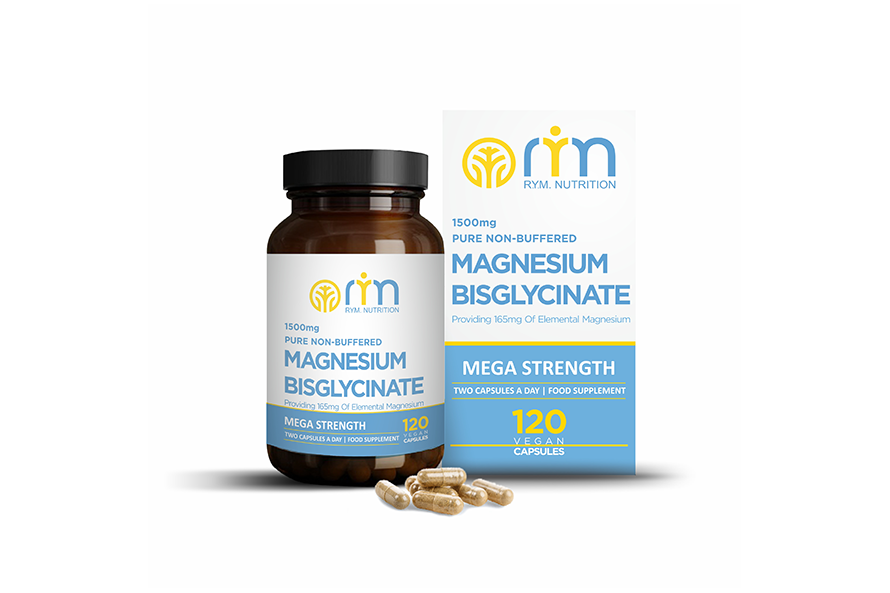
B Vitamins, Zinc, Vitamin D and Magnesium all play an important role in nervous system functioning and synthesis of hormones. Zinc also aids in collagen production, skin healing and protection.
Protein foods supply the essential amino acids needed to synthetise hormones, collagen and enzymes. As we age, our ability to utilise protein may become less efficient. Individuals following a vegan or plant-based diet need to be particularly attentive to their daily protein intake, making sure to include a variety of plant protein sources in their diet every day.
Liver function: The liver manufactures, regulates and detoxifies several hormones. A balanced, antioxidant-rich diet - low in alcohol, refined sugar, ultra-processed foods and toxins- can support overall healthy liver function. Consider foods such as broccoli and garlic as well as foods rich in prebiotic fibre including oats and apples.
Regular exercise supports hormone balance by reducing stress levels and stimulating the productions of endorphins. It can also help improve metabolism and insulin sensitivity.
 Stress-management strategies like yoga, mindfulness, meditation, spending time in nature or participating in hobbies or activities that bring you joy can all help to balance the stresses of modern life.
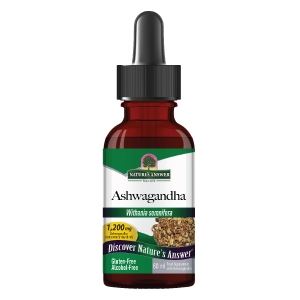
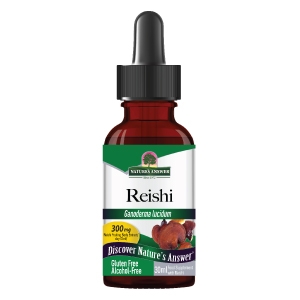 Botanicals classified within herbal traditions as “adaptogens” are thought to support resilience to stress and aid quality sleep, these include Ashwagandha and Reishi.
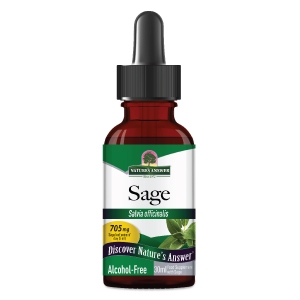 Menopause: From a nutrition perspective for women not taking HRT, foods rich in phytoestrogens such as tofu and linseeds could be a supportive addition to the diet, with herbs such as Sage traditionally used to support menopausal symptoms such as hot flushes.
Pre- or Perimenopause: From a nutrition perspective, those who experience acne alongside premenstrual syndrome could consider supporting hormones with magnesium and vitamin B6, or with a practitioner’s guidance, the traditional herb Vitex Agnus Castus (Chasteberry). Reducing refined sugar and high glycaemic foods may help to improve energy, mood and insulin sensitivity. Especially important for those suffering from PCOS and acne.
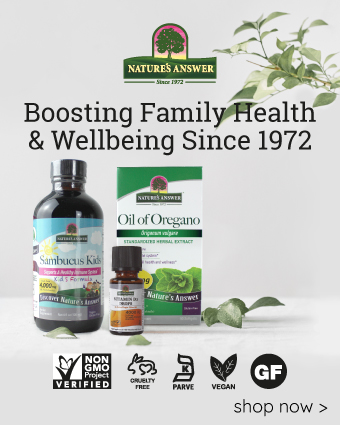
A trusted brand with over 50 years of expertise specialising in alcohol-free concentrated liquid herbal extracts, Nature’s Answer offers a wide range of supplements to support everyday wellness.
For informational purposes only. Any claims in this article are not intended to diagnose, prevent, treat or cure any diseases. A food supplement is not a substitute for a healthy balanced diet and lifestyle. If you are planning pregnancy, pregnant, breast-feeding, have a medical condition or are under medical supervision, please consult a doctor before taking supplements or making dietary changes.