






























Part 2: The Role of Hormones in Skin Health
Hormones play a crucial role in maintaining the health and appearance of our skin, influencing various aspects such as hydration, elasticity and oil production. Key hormones such as oestrogen, testosterone, insulin and cortisol are integral to these processes. When out of balance skin health can suffer, potentially leading to the onset or worsening of conditions such as acne and rosacea. Throughout our lives, hormonal levels fluctuate due to various factors, including age, menstrual cycles, stress, and lifestyle choices. In this blog we explore how these hormonal changes impact the skin especially within the context of ageing.
How Does Oestrogen Influence Skin Health?
Oestrogen plays a significant role in maintaining healthy and youthful skin by influencing several factors such as collagen production, moisture retention, and skin thickness. It actively modulates skin physiology by targeting essential skin cells such as keratinocytes and fibroblasts, which are responsible for producing and organising collagen fibres. This process ensures the skin remains firm, elastic, and resilient.
In terms of moisture retention, oestrogen supports the synthesis of hyaluronic acid. This substance is important for maintaining the skin's hydration levels, leading to a plump and well-moisturised complexion. Additionally, oestrogen contributes to maintaining optimal skin thickness by encouraging healthy cell turnover and supporting the structural integrity of the dermal layers. It enhances angiogenesis, ensuring adequate blood flow and nutrient delivery to the skin, and accelerates wound healing processes. The hormone also boosts antioxidant activity, which protects against oxidative stress and the effects of environmental exposure to pollution and UV rays. Furthermore, oestrogen plays a role in DNA repair mechanisms within skin cells, aiding skin healing and healthy turnover.
What are the Effects on Skin Due to the Decline in Oestrogen Levels After the Onset of Menopause?
The onset of menopause brings about a significant decline in oestrogen levels, leading to noticeable and often rapid changes in skin health and appearance. One of the most profound effects is the reduction in collagen content; research indicates that women may experience a decrease of approximately 2% in skin collagen each year following menopause.1 Notably, within the first five years post-menopause, there can be a loss of up to 30% in types 1 and 3 collagen, resulting in diminished skin firmness, elasticity, and structural support.1 This decrease in collagen is accompanied by a reduction in the skin's ability to retain moisture. Lower oestrogen levels lead to decreased production of hyaluronic acid causing the skin to become less able to maintain adequate hydration.
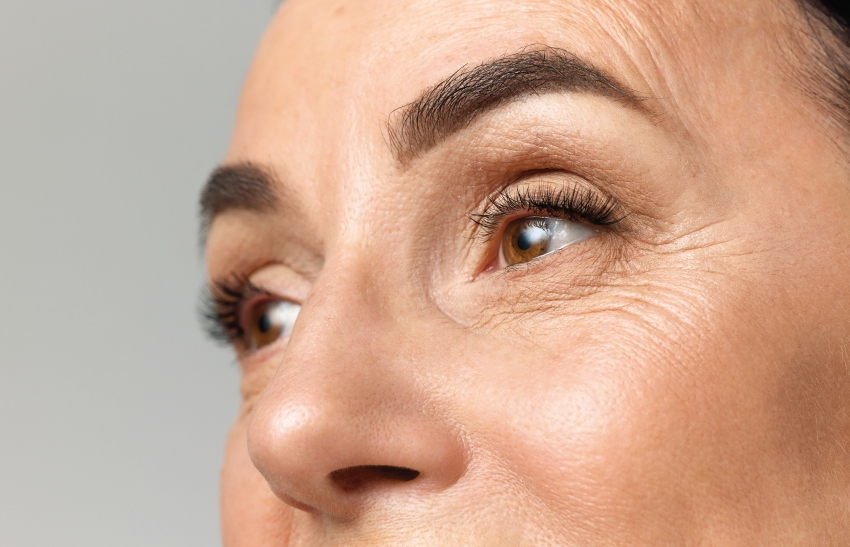
As the years progress post-menopause, the cumulative effects of oestrogen deficiency become more apparent, accelerating the skin aging process and leading to more pronounced wrinkles and sagging. In general, women experience more accelerated skin ageing than men because of the midlife oestrogen loss.
What Role Does Testosterone Play in Skin Health?
Testosterone plays a role in regulating skin oil production by stimulating the sebaceous glands, leading to the production of sebum, the natural oil that helps keep the skin moisturised. Sebum forms a protective barrier on the skin's surface, preventing moisture loss and shielding against environmental irritants. As men age, testosterone levels gradually decline, which can have noticeable effects on the skin such as dryness and increased sensitivity to environmental factors. However, elevated levels of androgens including testosterone can lead to excessive oil production, which may contribute to acne and other skin conditions in both men and women. In menopause there is a significant decline in oestrogens with androgen levels remaining the same or even increasing, this leads to a hormonal environment conducive to the development of menopausal acne.
How Do Cortisol and Stress Hormones Affect Skin Ageing?
Research in the field of psychoneuroimmunology provides understanding that the skin, being so intricately connected to the central nervous system, is particularly sensitive to the effects of stress. The body responds to stress by releasing a variety of chemicals and hormones, namely cortisol. Cortisol is an important hormone for the regulation of various bodily functions including the inflammatory response, however, chronic or excessive psychological stress can result in elevated cortisol levels, leading to increased oxidative stress, inflammation and cellular damage with the shortening of telomeres. These processes play a significant role in skin ageing. Increased stress levels can suppress immune system functions, negatively impacting the skin's barrier protection, repair, and healing processes. Furthermore, elevated stress can potentially affect the quality and quantity of sleep, and research suggests that long-term sleep deprivation may increase intrinsic signs of skin ageing.4
What Is the Connection Between Hormones and Common Skin Issues?
Menstruating women dealing with acne may notice flare ups just before or on the initial days of their period due to the fluctuations of hormones that take place at this time in their cycle. Research has shown that adult women with acne tend to have higher levels of testosterone. Elevated levels of the hormone insulin can stimulate this production of androgen hormones including testosterone, leading to increased oil production in the skin. Among women with polycystic ovary syndrome (PCOS), approximately 70% exhibit acne symptoms due to the elevated androgen levels associated with this condition.2
Research indicates that rosacea symptoms often become more pronounced after age 45.3 The decline in oestrogen during menopause could potentially increase low-grade inflammation, increase skin sensitivity and weaken the skin's barrier, worsening facial rosacea symptoms.
Thyroid hormone imbalances have been associated with disorders of the skin including excessively dry skin, flushing, itching, hair loss and psoriasis.5
Experiences of high stress may act as a trigger for the onset and worsening of common skin issues. Chronic low-grade inflammation, exacerbated by hormonal imbalances, can contribute to skin conditions such as psoriasis, rosacea, acne and eczema.
For informational purposes only. Any claims in this article are not intended to diagnose, prevent, treat or cure any diseases. A food supplement is not a substitute for a healthy balanced diet and lifestyle. If you are planning pregnancy, pregnant, breast-feeding, have a medical condition or are under medical supervision, please consult a doctor before taking supplements or making dietary changes.
References:
- Liu, T., et al (2020). Recent advances in the anti-aging effects of phytoestrogens on collagen, water content, and oxidative stress. Phytotherapy research : PTR, 34(3), 435–447. https://doi.org/10.1002/ptr.6538
- Clark, A. K., at al. (2017). Edible Plants and Their Influence on the Gut Microbiome and Acne. International journal of molecular sciences, 18(5), 1070. https://doi.org/10.3390/ijms18051070
- Yang, F., et al (2023). Differences in clinical characteristics of rosacea across age groups: A retrospective study of 840 female patients. Journal of cosmetic dermatology, 22(3), 949–957. https://doi.org/10.1111/jocd.15470
- The skin aging exposome. Krutmann, Jean et al. Journal of Dermatological Science, Volume 85, Issue 3, 152 – 161 10.1016/j.jdermsci.2016.09.015
- Takir, M., et al. (2017). Skin findings in autoimmune and nonautoimmune thyroid disease with respect to thyroid functional status and healthy controls. Turkish journal of medical sciences, 47(3), 764–770. https://doi.org/10.3906/sag-1510-39